
The Great West Point Eggnog Riot of 1826
The Great West Point Eggnog Riot of 1826
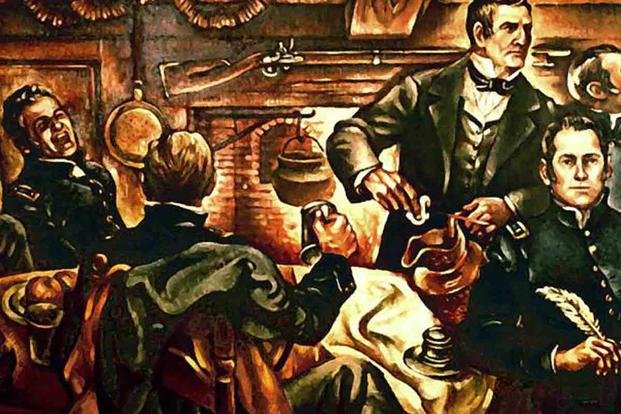
The night of December 24–25, 1826, at the United States Military Academy in West Point, New York, was anything but silent. What began as a secret Christmas Eve party fueled by smuggled whiskey and eggnog turned into an all-night brawl — a riot that involved firearms, swords, smashed furniture, and near-violence against officers. Today it’s remembered as the Eggnog Riot, one of the most bizarre episodes in early American military history.
A Tradition Meets a Ban
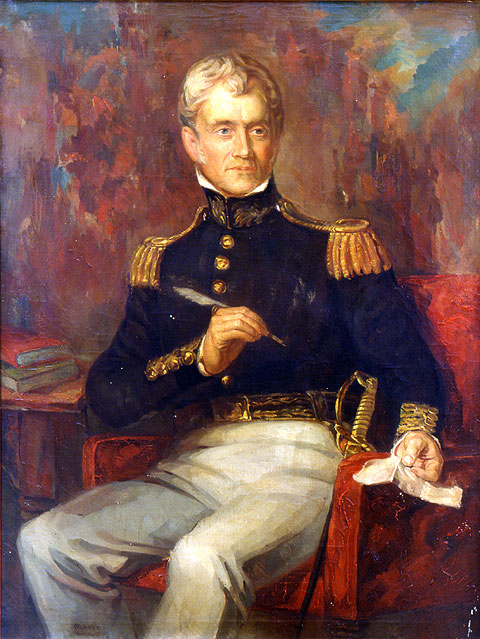
By the mid-1820s, West Point had grown from a rough training post into a structured military academy under Superintendent Colonel Sylvanus Thayer. Thayer, determined to instill discipline and professionalism, imposed strict rules on cadets — including a ban on alcohol. Even traditional celebrations like Christmas, where eggnog had long been a holiday staple, were expected to be alcohol-free.
The cadets weren’t having it. Eggnog was synonymous with celebration and spirits (literally), and they were determined to make their own. In the early 19th century, eggnog often contained rum, whiskey, or brandy — a tradition dating back to colonial times and enjoyed by figures like George Washington. The thought of a dry holiday drink was unacceptable to many cadets.
Smuggling the Spirits
On December 22, cadets hatched a plan to bring liquor into the academy. A group crossed the Hudson River under cover of night to purchase whiskey at nearby taverns, bribing a guard with 35 cents to look the other way. They returned with several gallons of spirits, hidden away in the North Barracks, ready to be mixed into eggnog for a Christmas Eve celebration.
Other cadets added more rum from taverns, making sure there was plenty of alcohol to go around. What began as a covert party was quietly taking shape — but it would soon explode far beyond anyone’s expectations.
Christmas Eve Explodes into Chaos
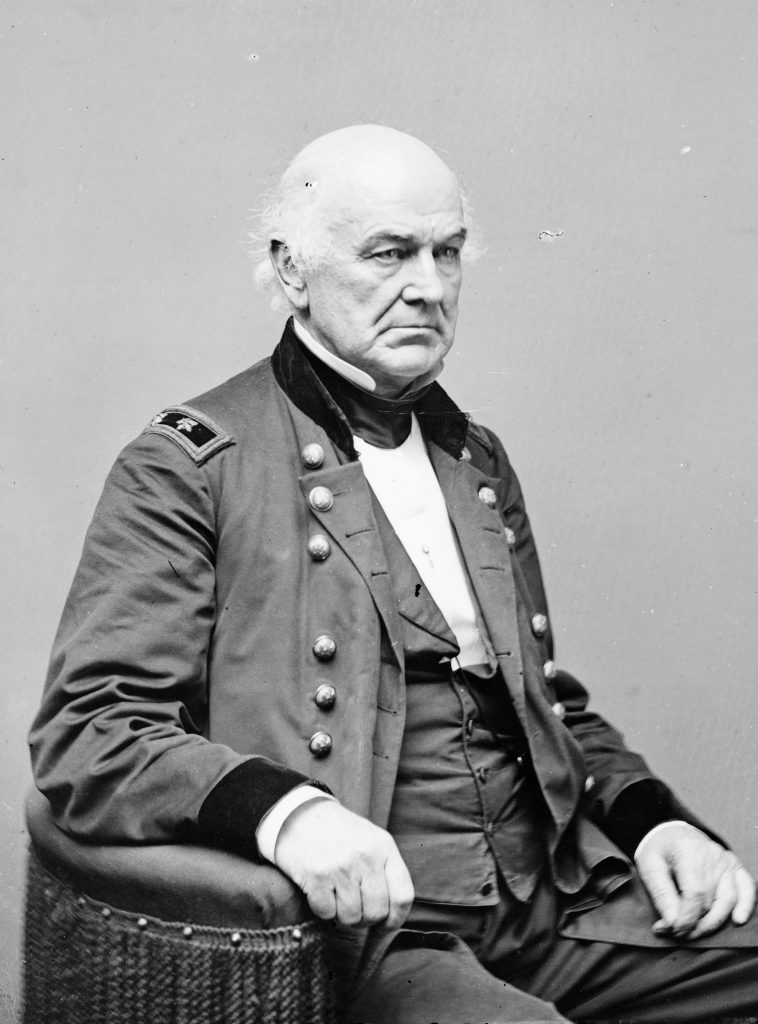
By late evening on December 24, several groups of cadets were gathered in the North Barracks, openly drinking spiked eggnog. As midnight passed and the revelry continued, the noise level grew louder and more raucous. By about 4:00 a.m., the disturbance caught the attention of Captain Ethan Allen Hitchcock, the officer on duty.
Hitchcock climbed the stairs toward the source of the noise, only to be met with a chaotic scene. Some cadets tried to hide under blankets; others taunted him. One cadet even shouted to the crowd:
“Get your dirks and bayonets… and pistols if you have them.”
In the confusion, a pistol was fired at Hitchcock as he forced his way through a barricaded door. Fortunately, the shot struck the door frame rather than a person. Elsewhere in the barracks, Lieutenant William Thorton faced down defiant cadets, one of whom brandished a sword and another who struck him with a chunk of wood. Officers were outnumbered and outmatched as drunken cadets pushed back.
Groups of cadets began breaking windows, ripping banisters from staircases, smashing plates and cups, and essentially turning the barracks into a battlefield. Swords, muskets, and bayonets — instruments of military discipline — were now wielded in drunken chaos. What had started as a holiday party had become a full-blown riot that would only end with the sober light of dawn.
Dawn and Aftermath
When reveille sounded around 6:05 a.m. on Christmas morning, those cadets fortunate enough to be in the adjacent South Barracks awoke to contrast: one side of the campus was orderly and disciplined while the North Barracks looked like the aftermath of a skirmish zone. Broken windows, shattered furniture, and debris littered the hallways.
Officials estimated that up to 90 cadets — more than one-third of the Corps — had participated in the riot. West Point administrators faced a dilemma: punishing every participant would cripple the academy, then still in its developmental years.
In the days that followed, 22 cadets most deeply involved were placed under house arrest, and a major investigation ensued. Court-martial proceedings began in late January 1827, with 19 cadets and one enlisted soldier facing charges. In testimony that stretched for weeks, 167 witnesses were heard. Among them was future Civil War figure Robert E. Lee, who did not take part but testified on behalf of classmates.
Of those tried, all were found guilty and sentenced to dismissal, though several were spared through clemency and later graduated. Some received lesser punishments. Notably, Jefferson Davis, who had been present and intoxicated during the events, avoided trial and was released from house arrest after several weeks — possibly because he complied with orders when officers confronted him.
What It Tells Us
The Eggnog Riot is more than a humorous holiday anecdote. It reveals how youthful traditions and resistance to authority can clash spectacularly with institutional discipline. In one night, cadets turned their own barracks into a scene of destruction, tested the resolve of their superiors, and left a memorable mark on West Point’s history.
The riot also had practical implications. In rebuilding and restructuring barracks later, academy designers even incorporated changes to reduce the likelihood of large groups assembling spontaneously — an architectural consequence of that chaotic Christmas Eve.
Whether seen as cautionary or comical, the story of the Eggnog Riot underscores a timeless truth: even within strict institutions, human impulses and traditions find a way to make themselves felt — sometimes with explosive results.
For More Reading:
- Wikipedia, Eggnog riot, https://en.wikipedia.org/wiki/Eggnog_riot
- Big Think, “The boozy and violent story behind America’s Eggnog Riot”, https://bigthink.com/the-present/what-was-the-eggnog-riot/
- Army.mil, The Eggnog Riot, https://www.army.mil/article/49823/the_eggnog_riot
- History.com, When Eggnog Sparked a Riot at West Point, https://www.history.com/articles/when-eggnog-sparked-a-riot-at-west-point
