
RG 94 Spotlight: 21st Michigan Infantry
The Research Arsenal is proud to be digitizing and adding historical records of Civil War regiments held at the National Archives to our online database so that researchers and historians can access material that previously required a trip to Washington D.C. The 21st Michigan Infantry is one of the many regiments that has been added to our database.
The 21st Michigan Infantry: From Perryville to Sherman’s March
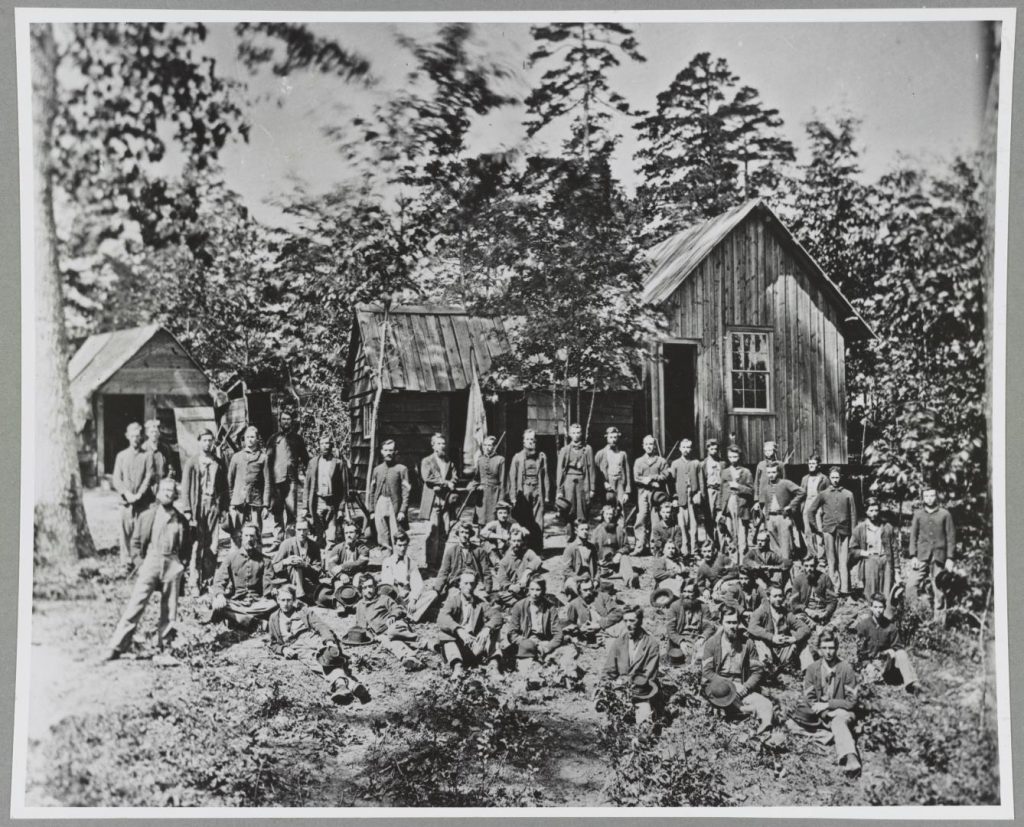
When the 21st Michigan Volunteer Infantry was organized in the summer of 1862, few could have imagined the remarkable path the regiment would follow during the Civil War. Recruited primarily from western and northern Michigan counties and mustered into service on September 4, 1862, the regiment entered the war at a time when the Union desperately needed fresh troops. Over the next three years, the men of the 21st Michigan would participate in some of the war’s most significant campaigns, including Perryville, Stones River, Chickamauga, Chattanooga, the Atlanta Campaign, and Sherman’s March to the Sea.
The regiment’s story is one of endurance. The men faced hard marching, heavy combat, disease, captivity, and the constant challenge of maintaining their ranks. Yet despite these hardships, the 21st Michigan earned a reputation as a dependable regiment that could be called upon for both combat and engineering duties whenever the Union Army needed them.
A Regiment Raised in Michigan
The 21st Michigan was recruited from a large area of the state, including Ionia, Kent, Ottawa, Muskegon, Grand Traverse, Mackinac, and many other counties. According to Michigan’s official wartime records, the regiment entered service with approximately 1,000 officers and men. Before departing for the front, the regiment was presented with a silk flag by the women of Ionia, a symbol of the community’s support and confidence in the volunteers who were leaving home for war.
The presentation of colors was an important moment in the life of any Civil War regiment. Michigan records note that the flag was carried throughout the regiment’s service and survived all of its campaigns. After the war, it was formally returned to the citizens who had presented it, serving as a tangible reminder of the sacrifices made by the regiment and the communities that supported it.
First Battles in Kentucky and Tennessee
The 21st Michigan entered active service quickly. The regiment was sent west and soon found itself engaged in the Kentucky Campaign. Its first major battle came at Perryville in October 1862, one of the largest battles fought in Kentucky. Although still inexperienced, the regiment performed well under fire and gained valuable battlefield experience.
The men later participated in the Battle of Stones River near Murfreesboro, Tennessee, where Union and Confederate forces fought one of the bloodiest engagements of the war. Like many regiments in the Army of the Cumberland, the 21st Michigan endured harsh winter conditions, long marches, and repeated combat operations that steadily reduced its numbers.
As casualties mounted from battle and disease, maintaining the regiment’s strength became increasingly difficult. Nevertheless, the regiment remained in active service and continued to accompany the Army of the Cumberland during some of its most important campaigns.
Chickamauga and the Capture of Colonel McCreery

One of the regiment’s most difficult experiences came during the Battle of Chickamauga in September 1863. During the fighting, Colonel William B. McCreery was wounded and captured by Confederate forces. He was eventually transported to the notorious Libby Prison in Richmond, Virginia, where many Union officers were held under harsh conditions.
Years later, McCreery described Libby Prison as “that prison-house of torture and slow death, familiarly known as the ‘Libby Prison.'” His account provides a vivid firsthand description of the suffering endured by Union prisoners. Conditions were crowded, food was scarce, and disease was common. Prisoners often depended upon supplies sent from home for survival.
McCreery’s story did not end in captivity. In February 1864, he participated in one of the most famous prison escapes of the Civil War. More than one hundred Union officers tunneled out of Libby Prison in a daring attempt to regain their freedom. Reflecting on his successful return to Union lines, McCreery later wrote:
“It was like passing from death unto life, and our hearts filled with gratitude.”
His escape became one of the most remarkable episodes associated with the 21st Michigan and demonstrated the determination that characterized many of the regiment’s officers and men.
More Than Infantry: Engineers at Chattanooga
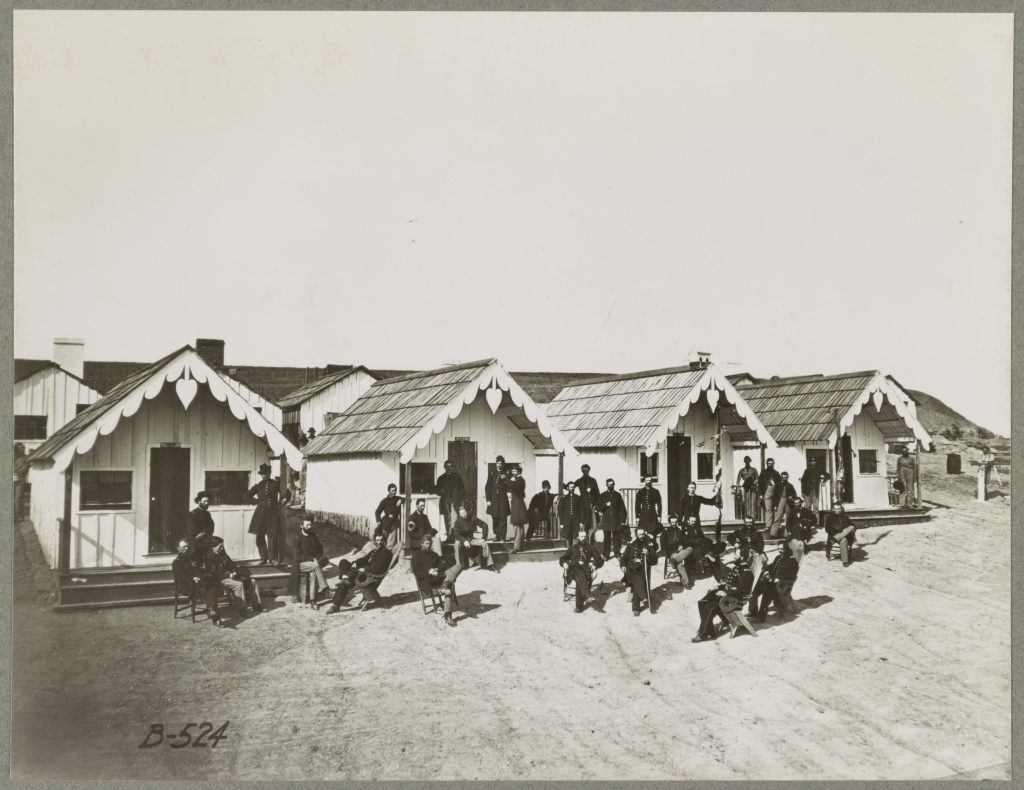
Although organized as an infantry regiment, the 21st Michigan often performed engineering duties that proved vital to Union success. Following the Union victory at Chattanooga, the regiment helped rebuild essential infrastructure needed to support military operations in Tennessee and Georgia.
The soldiers worked as carpenters, laborers, and bridge builders. They assisted in constructing storehouses, repairing transportation routes, and improving supply lines. One of their most important contributions was helping create the Military Bridge across the Tennessee River. This bridge allowed Union forces to move men and supplies more efficiently and helped establish Chattanooga as a major logistical center.
These engineering assignments may not have carried the glory of battlefield charges, but they were essential to the Union war effort. Without reliable transportation and supply networks, armies could not remain in the field. The work of regiments like the 21st Michigan helped make future campaigns possible.
Sherman’s Campaigns
In 1864, the 21st Michigan returned to more active combat service during General William T. Sherman’s campaigns in Georgia. The regiment participated in operations leading to the capture of Atlanta and later joined Sherman during his famous March to the Sea.
The campaign represented a new style of warfare. Rather than simply defeating Confederate armies, Sherman sought to destroy the South’s ability to continue the war. Railroads, supply depots, and military resources were systematically targeted. Soldiers frequently conducted foraging expeditions to gather food and supplies from the countryside.
For the men of the 21st Michigan, these operations involved constant marching and hard labor. They moved through Georgia and later the Carolinas, helping to bring increasing pressure on the Confederacy during the final year of the war.
The Regiment’s Legacy
Like many Civil War units, the 21st Michigan suffered heavily from disease as well as combat. Hundreds of men who entered service in 1862 never returned home. Yet the regiment’s record illustrates the diverse responsibilities that Civil War soldiers often carried. They fought in major battles, guarded supply lines, built bridges, repaired infrastructure, and endured the hardships of military life over three long years of war.
The history of the 21st Michigan also reminds us that victory depended on more than battlefield heroics. The regiment’s engineering work at Chattanooga, its service during major campaigns, and the perseverance of men like Colonel McCreery all contributed to the Union cause.
When the war ended in 1865, the regiment returned home having participated in some of the most important operations of the Western Theater. Their battle-worn regimental flag, carried from Kentucky to Georgia and beyond, stood as a symbol of service, sacrifice, and endurance. Today, the story of the 21st Michigan Volunteer Infantry remains an important chapter in both Michigan history and the broader story of the Civil War.
Sources
The Research Arsenal is proud to hold 1,036 digital scans of the 21st Michigan Infantry’s regimental history on its database. These consist of just over 1,000 pages of material from the National Archives Records Group 94 files. These include Regimental Descriptive books, Order books, Letter books, Morning Reports, and more. Visit the Research Arsenal, click on “Search NARA Records” then select “RG94” and “21st Michigan Infantry” from the drop-down menus. In addition, the Research Arsenal contains photographs, letters, and other forms and documents relating to the 21st Michigan Infantry.
- Michigan in the Civil War. “21st Regiment Michigan Volunteer Infantry.” MIGenWeb Project. Available at: 21st Regiment Michigan Volunteer Infantry (MIGenWeb)
- Michigan Technological University. “21st Michigan Volunteer Infantry.” Military History of the Upper Great Lakes. Available at: 21st Michigan Volunteer Infantry (Military History of the Upper Great Lakes)
- Powers, Perry F., et al. Memorial Record of the Twenty-First Michigan Infantry. Available through Google Books at: Memorial Record of the Twenty-First Michigan Infantry (Google Books)
- McCreery, William B. My Experience as a Prisoner of War and Escape from Libby Prison. Available through Google Books at: My Experience as a Prisoner of War and Escape from Libby Prison (Google Books)
- Michigan Adjutant General’s Department. Record of Service of Michigan Volunteers in the Civil War, 1861–1865. Available through the Michigan in the Civil War project: Michigan in the Civil War Project
