
Research Arsenal Spotlight 49: Francis West 31st Wisconsin Infantry
Francis West was born in 1825 in Charlestown, New Hampshire. He moved to Wisconsin in 1845 and served in the Wisconsin State Senate representing Green County in 1854 and 1855. In August, 1862, he was commissioned as lieutenant colonel of the 31st Wisconsin Infantry. During his service he wrote many letters home to his wife, Emma Moore (Rittenhouse) West.
Francis Henry West wrote a great many letters home throughout the war. For this spotlight feature we’ll focus on those written in 1863 while the 31st Wisconsin Infantry was stationed in Columbus, Kentucky.
31st Wisconsin Infantry in Columbus, Kentucky
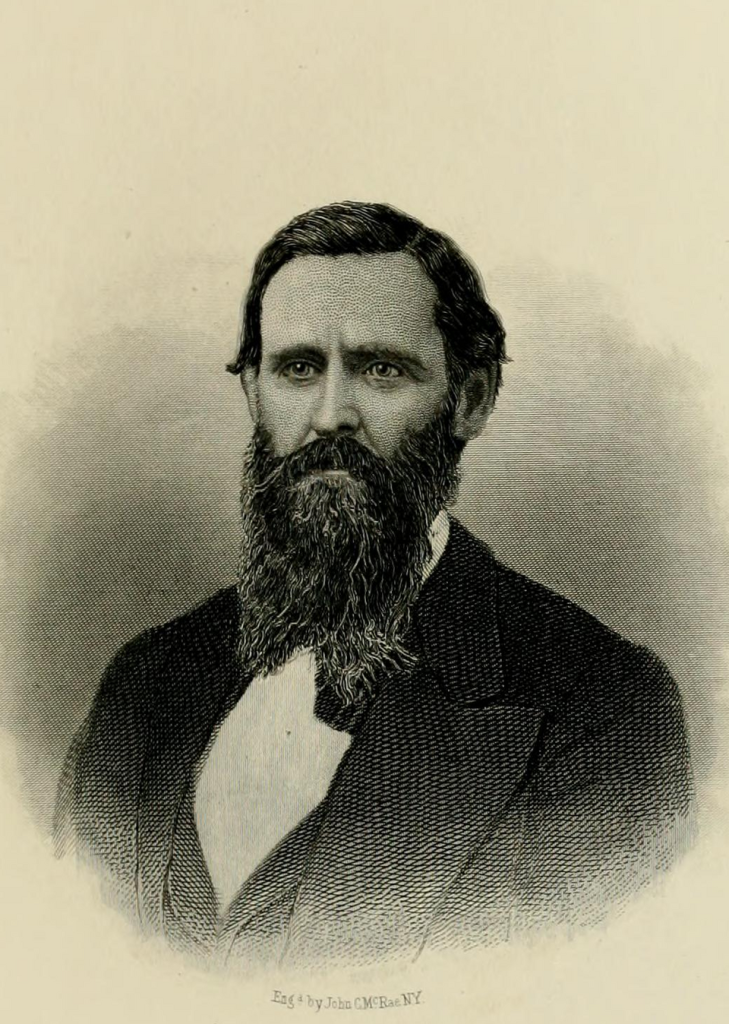
The journey of the 31st Wisconsin Infantry to Kentucky began on a tragic note, as Francis West wrote in a letter dated March 4, 1863.
“We left Racine Sunday morning and arrived Cairo on Tuesday morning all right except the loss of one man’s leg who was run over by the cars. His name is [Joshua] Davis and he belongs to Capt. [Robert B.] Stephenson’s Co. Davis on Dr. Roster’s farm. His leg was amputated and he was left at Centralia.”
Once at Columbus, the 31st Wisconsin Infantry received repeated reports about rebel forces in the vicinity, but very few of them panned out.
“Night before last it was reported that a large force were attacking Hickman twenty miles from here. I was ordered to have my men ready with ammunition and rations to start on a moment’s notice for the scene of action. I got them ready and have held them so since, but have had no orders to leave. I think it all a false alarm.”
Francis West also voiced irritation with the colonel of regiment, Isaac E. Messmore, who he described in a letter written April 5, 1863.
“I am very unpleasantly situated in this regiment owing the peculiarities of our Colonel [Isaac E. Messmore] but I have stood it so far and am in hopes I can continue to stand it. He has the ambition of a Napoleon with ten times the jealousy that Old Dr. Fisher ever had, together with the most sordid avarice. He is perfectly unscrupulous as to means used to further his interests and entirely devoid of all feeling as to the rights or feelings of others. You can judge by this that I have a hard row to hoe. This, however, is all private matter but I cannot help, my dear one, of apprising you of all my troubles.”
Tension between the two men would continue for some time.
Francis West asks his Wife to Visit
In May, 1863 Francis West began hoping that his wife would come down to Kentucky to stay for him a bit. On May 13, 1863, Francis West wrote about his new quarters and mentioned that several other officers’ wives had come to stay, though he appeared to have mixed feelings about his wife, Emma, coming down as well.
“I am moving my quarters today into a couple of quite comfortable log houses. If it were not for the fleas, mosquitoes, heat, dust, and various other annoyances, I should be in favor of your coming down here. As it is, you are certainly much better off at home although it would be a great comfort to me to have you here. There are seven or eight of the officers’ wives here but it is rather a sorry place for them to stay.”
Just a few days later, on May 18, 1863, Francis West was much more enthusiastic about Emma coming to visit.
“As I was eating breakfast this morning thinking what a pleasant house I had, I made up my mind that I must send for you. Just then an orderly came in with your very kind letter of the 10th in which you say you wish to come. You must stay here at least three or four weeks. If Mary will keep house for you, everything will go on just as well as though you were at home. The only trouble will be that you will get sick and tired of staying in this God-forsaken place before you have been here three days and I shall not enjoy your visit so much as I otherwise should knowing how sick you are. Some of the ladies here ride on horse back and some take rides out into the country in ambulances (a kind of stage) and I suppose manage to kill time some way.
Mrs. Capt. Burdick with two little children stops next door to me. The log huts are all close together and there is not a spear of grass to be seen from one of them. I have one large square room for office and sleeping room, and a room across the street for a dining room with a cook and wash room attached. Here my ostler and his wife—a very nice young woman from Darlington—stop, she doing the cooking and washing.
I do not want you to bring any of the children with you. You cannot bring any more than baggage enough for yourself and I want you relieved from all care of children once just to see how it will seem.”
Emma’s reply was not what Francis West wanted to hear, and on May 24, 1863 he wrote another letter expressing his sadness at her refusal to come visit.
“I have just received your very cool reply to my letter of invitation to you to come down here and am very much disheartened that you are not coming immediately to see me. You say you do not know as you have given me any encouragement that you would come. I will give an exact quotation from your letter which I certainly took as encouragement, “If you cannot come home, I must come and see you.” It is quite certain that I shall not be able to go home until after the war. We have not got long to live anyway and we might as well enjoy ourselves as much as possible while we do live. And I know of nothing that would afford me so much pleasure as a visit from the person that I love more than all the world. Besides, I had taken a great deal of pains and got everything fixed up as nice as possible to make your visit pleasant. And I am so disappointed that you are not coming.”
Evidently Emma changed her mind about visiting, because there is a pause in their correspondence until June 18, 1863 when Francis West writes that he was glad to hear about her safe arrival home.
Skirmishes in Kentucky
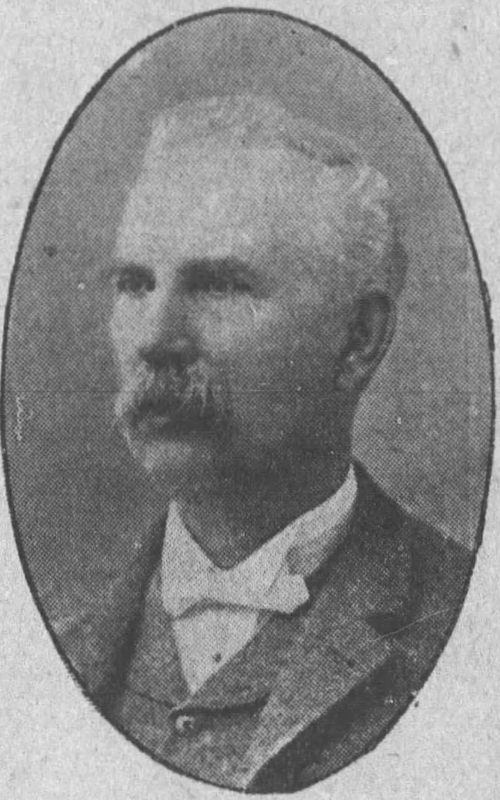
In the same letter written on June 18, 1863, Francis West also revealed that the colonel of the 31st Wisconsin Infantry had gone to Washington and that there was a rumor of a large Confederate presence in the area.
“The rebel generals Forrest and Cheatham are supposed to be advancing on us with a large force. I think they will have a merry time of it before they take us. I have no idea myself that they will try it at present but the general thinks they are sure to. Day before yesterday we sent out 20 of our regiment in cars to make a reconnaissance. When they had proceeded some distance, the train was fired upon by a large force when the engineer immediately took the back track. Not one of our men was hit. They returned the fire and saw some of the rebels fall. Yesterday we sent Companies B & E (Stephenson’s and Mason’s) but they saw no enemy. The cavalry that were sent out while you were here have been repulsed on the Tennessee river with what loss we have not learned. It seems a little more like war here than it did, though not enough to suit most of us yet.”
Small skirmishes continued though the 31st Wisconsin failed to meet any large forces as Francis West detailed in a letter written on June 27, 1863.
“It has rained nearly all the time for a week. I wish you had some of it in Wisconsin. Everything is very quiet here just now. We sent another expedition out to look for rebels day before yesterday but they all “skedaddled” on the approach of our boys. They ascertained that our boys of the first expedition in returning their fire killed a captain and one man of the rebel party.”
On July 4, 1863 Francis West told his wife that an expedition of the 4th Missouri Cavalry suffered heavy losses.
“The expedition that left from the 4th Mo. Cavalry when you were here has been “gobbled up” together with the Lt. Col. commanding. They were defeated on the ‘Big Obion’ with a loss of one hundred and fifty in killed, wounded, and missing.”
The 4th Missouri Cavalry suffered additional losses a few days later and the 31st Wisconsin Infantry was in high readiness for an attack, as Francis West described in a letter from July 10.
“The general sent up to the Fort this morning to have every man ‘fall in’ instantly. I was sick in bed but jumped out and had the long roll sounded and the men in fighting shape in short order. I was really in hopes we were going to have a “little brush” at last but was disappointed. The enemy not showing themselves, the 32nd Iowa were sent out to look for them and have not returned yet. We understand the Rebs have gobbled up two more companies of the 4th Missouri Cavalry. I wish they would let me after them with the 31st. I feel first rate since there was a prospect of a fight. It did me more good than a dose of medicine. I don’t think, however, that there is the slightest probability that they will attack this place.”
On July 19, 1863, Francis West reiterated that there seemed to be no large force of Confederates in the area, but persistent raiding by guerillas left the situation dangerous.
“There are just rebels enough a raiding around here to keep the general scared to death without being enough so that we can corner them and get up any fight. They are well mounted and in this timbered country it is impossible for infantry to catch them. They simply prowl around and “gobble” any small squad they can find away from the main force.”
The 31st Wisconsin Infantry remained in Columbus, Kentucky until October, 1863. By that time Colonel Messmore had been forced to resign and Francis West was promoted to colonel of the regiment.
Francis West served through the end of the war and was made a brevet brigadier general in March, 1866. He died in 1896.
To read more of Francis West’s letters, sign up for a Research Arsenal membership.
We’d like to give a special thanks to William Griffing of Spared & Shared for his work in transcribing and sharing these letters.
If you enjoyed this article, check out some of our other featured collections like Joseph Vaill of the 8th Connecticut Infantry and William Heldman of the 17th Missouri Infantry.
