
RG94 Spotlight: The 37th Wisconsin Infantry
RG 94 Spotlight: The 37th Wisconsin Infantry
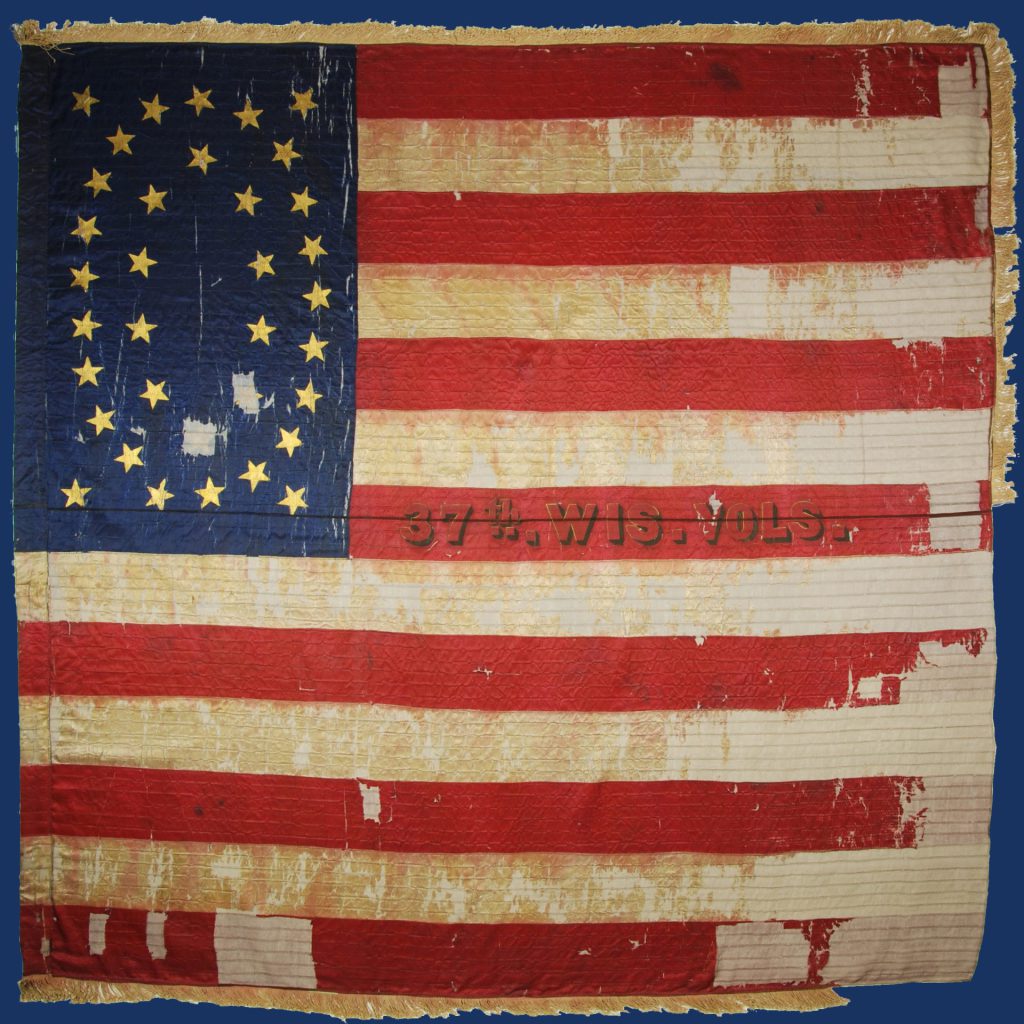
The Research Arsenal is proud to be digitizing and adding historical records of Civil War regiments held at the National Archives to our online database so that researchers and historians can access material that previously required a trip to Washington D.C. The 37th Wisconsin Infantry is one of the many regiments that has been added to our database.
Organized late in the war, the 37th Wisconsin Infantry Regiment entered Federal service in 1864 and quickly found itself thrown into some of the most punishing campaigns of the conflict. Often remembered as part of the hard-fighting formations before Petersburg, the regiment’s story is best understood not through statistics alone, but through the voices of the men themselves—men who wrote home from hospitals, from muddy trenches, and from battle lines lit by “a glowing red and angry” sun.
Baptism of Fire Before Petersburg
According to the National Park Service summary of the regiment’s service, the 37th Wisconsin was mustered in during the spring of 1864 and soon assigned to the Army of the Potomac. The regiment joined the grinding Overland Campaign and the subsequent operations against Petersburg, where trench warfare and constant skirmishing became the norm.
The regimental history preserved on Project Gutenberg vividly recounts the regiment’s early encounters with combat. At Cold Harbor and in the initial assaults on Petersburg, the men learned quickly what modern warfare meant. One account describes the approach to battle in stark, almost poetic language—the “sun rose glowing red and angry,” as if presaging the carnage to come. The color of the sky blended with the smoke of artillery and the flash of musketry, until the field seemed wrapped in a haze of fire.
In those early actions, the regiment suffered heavily. Men who had scarcely grown accustomed to army routine found themselves under relentless fire. Letters and reminiscences from the regiment describe the terrifying shriek of shells, the crash of volleys, and the sight of comrades struck down. Yet alongside fear was resolve. One soldier reflected that the line held firm despite the storm, the men loading and firing with mechanical determination even as the ranks thinned.
The siege of Petersburg brought a different kind of suffering. Instead of brief, terrible clashes, the 37th endured weeks and months of exposure in trenches. Accounts in the regimental narrative speak of heat, mud, vermin, and the constant vigilance required in close proximity to Confederate lines. Sharpshooters made even the act of raising one’s head perilous. Nights were filled with fatigue duty, digging, and the hauling of supplies.
Still, the men found ways to adapt. The regimental history preserved on Project Gutenberg makes clear that survival before Petersburg required ingenuity as much as courage. After the first shock of assault, the 37th Wisconsin settled into the exhausting rhythm of siege warfare. The men quickly learned that their safety depended upon the depth of their rifle pits. As one account relates, they “improved their works whenever opportunity offered,” deepening trenches and strengthening parapets until the raw earthworks became something like a second skin. What began as shallow scrapes in the dirt evolved into elaborate lines of protection, with head-logs and traverses carefully arranged against enfilading fire.
The same source describes how the soldiers burrowed into the Virginia soil, fashioning crude but effective shelters. In language both practical and wry, the writer explains that the men constructed “little huts of logs and earth,” covering them with whatever material could be found. These makeshift quarters, half underground and half exposed, offered scant comfort, but they were preferable to open sky under sharpshooter fire. The transformation was striking: volunteers from Wisconsin farms and towns became, in effect, subterranean dwellers. The trench line was no temporary encampment—it was home.
Daily life required constant labor. The regimental narrative emphasizes that nights were seldom restful. Fatigue duty—digging, carrying gabions, strengthening fortifications—filled the dark hours. By day, vigilance was paramount. The opposing lines lay so close that even a careless movement might draw a bullet. One passage notes that a man who exposed himself above the parapet did so “at the peril of his life,” a reminder that routine tasks were never entirely safe.
And yet, humor persisted. The same regimental account, even while describing hardship, adopts a tone of dry resilience. The men learned to treat their earth-covered huts as legitimate residences, however unlikely that might seem. What had once been a “ditch” became, through repetition and necessity, a familiar address. The absurdity of domesticating a trench was not lost on them. In recounting their circumstances, the writer’s understated style suggests the soldiers’ own coping mechanism: if one must live underground, one might as well speak of it matter-of-factly.
Captain George A. Beck’s letter, though written from the relative comfort of Annapolis, underscores the same spirit of endurance. Having been “everywhere so well treated” during his convalescent journey, he affirmed that he could “go back and endure the privations of the camp with a will.” The phrase is revealing. The “privations of the camp” were not abstract—they meant poor rations, exposure, exhaustion, and danger. Yet Beck framed them as burdens willingly borne, sustained by affection for home and faith in the Union cause.
Even the hospital setting, with its “neat cot,” gas lighting, and “clouded Egyptian marble mantle piece,” stood in quiet contrast to the earthworks of Petersburg. Beck’s appreciation for these comforts only highlights what the men at the front lacked. His readiness to return speaks to a shared understanding within the regiment: hardship was temporary; duty was paramount.
“The Sun Rose Glowing Red and Angry”
One particularly evocative description—preserved in later commentary drawing from regimental accounts—captures a morning before battle: “The sun rose glowing red and angry.” The phrase suggests both beauty and menace. For the 37th Wisconsin, dawn often meant renewed danger. As daylight revealed opposing lines, skirmish fire would resume. Artillery, silent in darkness, began again its thunder.
Such imagery reminds us that these were citizen-soldiers trying to comprehend extraordinary violence. Nature itself seemed enlisted in the drama. Red skies, drifting smoke, and the trembling earth became part of their vocabulary of war.
Yet even amid such scenes, the soldiers’ writings return repeatedly to thoughts of home. Captain Beck’s longing for “those… hills, bordering the limpid waters of Mahoning” echoes through other accounts. Streams of boyhood held “precedence” over any historic river encountered in the East. The contrast between peaceful Wisconsin landscapes and Virginia battlefields sharpened both memory and purpose.
Sacrifice and Endurance
The 37th Wisconsin’s losses were severe. The National Park Service notes the regiment’s participation in major operations around Petersburg and its continued service until the war’s closing campaigns. Disease and battle claimed many. Officers and enlisted men alike were wounded or killed.
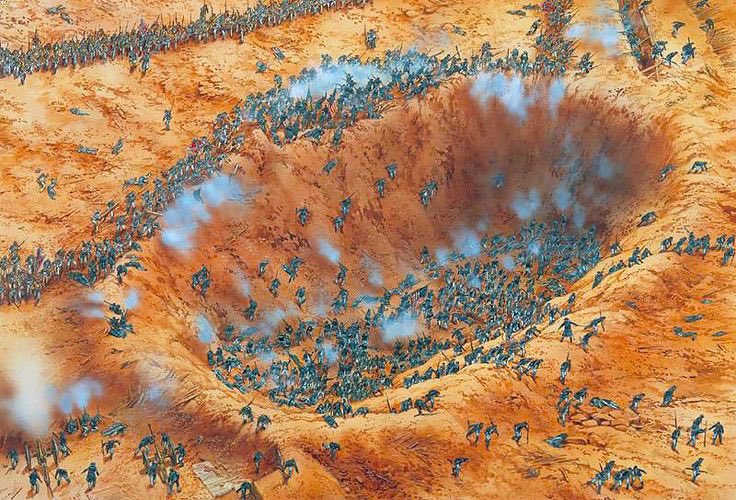
The 37th Wisconsin Infantry Regiment was heavily engaged in the operations surrounding the Battle of the Crater, one of the most desperate and chaotic episodes of the Petersburg campaign. On July 30, 1864, after Union forces detonated a massive mine beneath the Confederate lines, the explosion tore a gaping chasm in the earth and briefly stunned the defenders. The 37th Wisconsin, already hardened by weeks in the trenches, advanced as part of the supporting assaults that followed the blast. Instead of the swift breakthrough many had hoped for, the scene devolved into confusion. The crater itself became a deadly trap—men crowding into its steep sides, struggling to climb out under withering musketry and artillery fire from Confederates who quickly recovered and poured fire into the pit. Of the 250 men of the 37th Wisconsin Infantry who charged into the crater, only 95 walked back out. Over 150 of them had been killed or wounded.
Accounts from the regiment’s history emphasize the intensity and disorder of the fighting. The men faced not only the enemy’s fire but the physical obstacles of broken ground, loose earth, and the suffocating heat of late July. Units became intermingled, commands were difficult to hear, and forward movement stalled. The 37th suffered significant casualties in the effort, a grim testament to the futility of the assault once momentum was lost. The failed attack at the Crater deepened the grim reality of siege warfare for the regiment: bold plans could dissolve in moments, leaving soldiers to endure the grim arithmetic of loss while the lines settled back into the grim persistence of trench fighting before Petersburg.
And yet, as Beck’s letter demonstrates, the men of the 37th often framed their suffering in moral terms. To “endure the privations of the camp” was not merely necessity but duty. The Union, in their eyes, was “a good kindly country,” worth hardship and, if required, life itself.
Firsthand accounts from the regiment do not romanticize war. They speak plainly of exhaustion, fear, and grief. But they also reveal steadfastness. Whether writing from a gas-lit hospital room in Annapolis or from trenches before Petersburg, the soldiers of the 37th Wisconsin bore witness to a conflict that tested body and spirit alike.
In their own words, we see not just a regiment’s movements on a map, but the interior world of men who balanced affection for family with fierce loyalty to country. The red dawns of Virginia, the marble mantels of Annapolis, the muddy lines before Petersburg—all formed chapters in the lived experience of the 37th Wisconsin Infantry.
Sources and Further Research
The Research Arsenal is proud to hold digital scans of the 37th Wisconsin’s regimental records on its database. These consist of over 750 pages of material from the National Archives Records Group 94 files. These include Regimental Descriptive books, Order books, Morning Reports, and more. Visit the Research Arsenal, click on “Search NARA Records” then select “RG94” and “37th Wisconsin Infantry” from the drop-down menus.
- Letter of Captain George A. Beck, 37th Wisconsin Infantry, September 21, 1864. Research Arsenal: https://app.researcharsenal.com/imageSingleView/21608
- Regimental history of the 37th Wisconsin Infantry, Project Gutenberg, The Thirty-Seventh Wisconsin Volunteers. https://www.gutenberg.org/cache/epub/50519/pg50519-images.html
- National Park Service, Civil War Soldiers and Sailors System, 37th Wisconsin Infantry Regiment unit summary. https://www.nps.gov/civilwar/search-battle-units-detail.htm?battleUnitCode=UWI0037RI
- Dan Masters, “The Sun Rose Glowing Red and Angry – 37th Wisconsin,” blog post. https://dan-masters-civil-war.blogspot.com/2025/04/the-sun-rose-glowing-red-and-angry-37th.html
- Wisconsin Historical Society, “Battle of the Crater at the Siege of Petersburg, Virginia,” blog post. https://www.wisconsinhistory.org/Records/Article/CS249
