
Research Arsenal Spotlight 69: John Madison 96th Pennsylvania Infantry
John Madison was born in 1864 to Anthony and Harriet (Dick) Madison of Pottsville, Pennsylvania. Before enlisting in the army, he worked as a blacksmith’s apprentice. He enlisted in company A of the 96th Pennsylvania Infantry on August 22, 1861 and was a fervent believer in both God and the Union cause.
96th Pennsylvania Infantry in Virginia
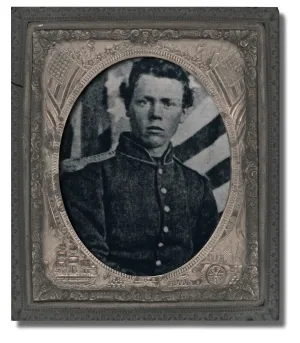
John Madison wrote his first letter in our collection on November 18, 1861, from Camp Casey, part of the defenses of Washington, D.C. In the letter he affirmed his strong conviction for the Union cause as well as his religious faith.
“It is not probable that we will get into the battle [but] if we do, we will fight to the last. We will fall with our faces towards the enemy for ’tis glorious to die for your country. If it happens to be my lot not to meet you again in this world, I hope to meet you in a greater and better world where we know no cares or sorrows. We have our Bibles with us and we do not forget them.”
On December 22, 1861, John Madison wrote from Camp Franklin, Virginia, describing a recent run in with rebel forces that resulted in several men being captured.
“On Wednesday I was about one half of a mile from the pickets and the day before that they shot at our pickets and drove them back and the rebels were drove up in line of battle to fight, but the pickets would not stand for that too strong for them. And last week there was thirteen of our men taken prisoners. They thought that the rebels was our men and the captain that was with them. Our men came to present arms to him and he came up to them and said ‘disarm yourselves, for you are our prisoners of war.’ So you can see for yourself that we know not who is our enemy for they go about like a roaring lion, seeking whom he may devour. And our pickets went through their pickets last night and burnt down the houses and someplace I do not know the name of the place.”
Confederate forces continued to plague the 96th Pennsylvania Infantry throughout the winter as illustrated in John Madison’s letter from January 1, 1862.
“I received your letter in due time and was glad to hear from you all as we have just come in from picket and are very tired. We went out on Saturday at 8 o’clock in the morning and just got back. From Saturday to the present we had about 4 hours sleep for in the night we had to watch the guard for the rebels come up to our picket and take them away. But thank God, they did not get any of our men. We could see them everyday on their horses from where we stood. Everything was quiet till Sunday morning and then we heard a shot and we formed a line of battle and then we sent a dispatch off to the guard to see what was the matter with the pickets. I was about thirty yards away from the one they shot. It was some of the rebels trying to get through the picket to get the center line.”
John Madison Hopes for a Furlough
On January 23, 1862, John Madison was hopeful that the war would soon be over. He believed that the Confederate forces were losing faith in their cause and that Union sentiment was on the rise.
“By last accounts in the papers, our cause is gaining a firmer and better hold in Kentucky and in fact all over. And when a move is made, the overwhelming forces of the North will sweep like a prairie fire and deal the secession its last and final blow, and will annihilate disunion. The Southern Confederacy has seen its best days. The people all wish to return under the protection of the stars and stripes. They have been led astray by men whose sole object is burn, pillage, destroy. The time is at hand when all volunteers times is expiring for they were duped into the rebel service for 12 months and promised that in that time they was to occupy all the cities north of Mason Dixon’s line. But they were promised—that is all. They have found out to the contrary. So might it be.”
In February, 1862, John Madison learned that his mother had gotten very sick. On February 10, 1862 he wrote home that he had applied for a furlough so that he could return to Pennsylvania and visit her.
“I applied for a furlough last night for to come home, but it will take a week perhaps for to get it for it has to be signed by General McClellan and sometimes it take two weeks—then he doesn’t sign them then. But I hope that he will sign mine but if you have not sent the note from the doctor when this reaches you, I want you to send it as soon as you can so that I can apply again, if he [McClellan] does not sign this one. And as for the money, I can get enough to come home and back again without much trouble. So you can send the note from the doctor and I will be home as soon as I can get a furlough.”
Unfortunately, the furlough arrived too late and John Madison had already been informed of his mother’s death before the furlough was approved. On February 28, 1862, he wrote to his father explaining that his furlough had been approved, but he no longer planned to come home as he thought it would only make things worse.
“It is with sorrow that I let you know that my furlough has just come in this morning, and as it has been so long in coming in, I shall not come home for if I would, it would just make it worse than what it is. For since I cannot see Mother no more on this earth, I must trust in God so as to meet her in Heaven and may God help you all.
As soon as I got the letter that John Riggs sent to me with the notice that Mother had gone to rest, I went to the Captain and told him that Mother was dead. Then I want to get home, but it was impossible, so I think it is best for me to stay here and content myself the best way I know how. I am well at present and hope that these few lines may find you the same and all the family.”
John Madison and the Battle of Bull Run Battlefield
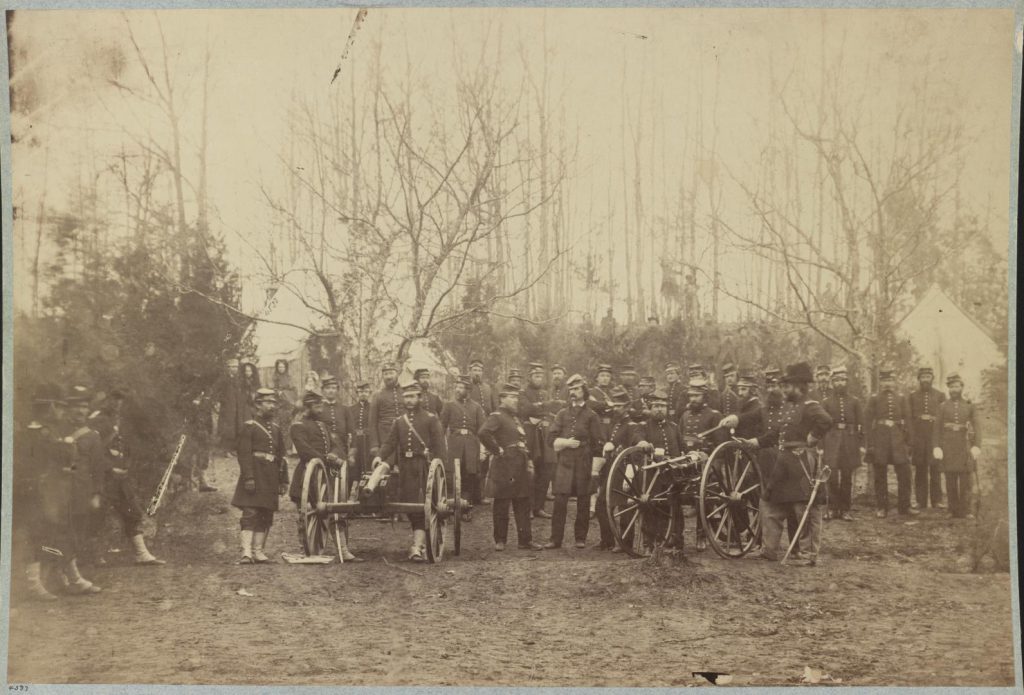
The first Battle of Bull Run was fought on July 21, 1861. John Madison wrote home on March 15, 1862, about what some of the men in his regiment saw on the battlefield. Nearly eight months later there were still unburied bodies lying on the field.
“We left Fairfax last night about 7 o’clock and marched into camp which is about 16 miles. We had to drill yesterday and then we got orders to march to camp again. And tomorrow we have got to go someplace again but we do not know where to yet. But we heard that we was to reinforce Burnside for we have got Manassas and intend to hold it. And if we reinforce Burnside, we will make them leave a little more than what they have done. It was good for them to leave Manassas for if they hadn’t, we would give them their last pill—they would be done for.
Some of the men saw Manassas and they say that the rows of our men lay there unburied. Some of the men went to work and buried them for it was a hard sight to see them lying there to dogs and crows to eat of them. It made the men [feel] more like running to them and whipping them but never mind, they will get paid for it yet.”
The 96th Pennsylvania Infantry remained near Fairfax, Virginia and the Bull Run battlefield. In late March, 1862, John Madison wrote another letter home that the Confederate forces had burned bridges and withdrawn but that they expected to follow them soon. His faith in the Union’s eventual triumph remained unshaken.
“Well, I am at Fairfax Court House. It is all deserted. Everybody has left the place for they was afraid of the strong army which started on Monday for Bull’s Run. But we was disappointed when we hear of them leaving Bull’s Run. Our men have been out at Bull’s Run and seen it and all the bridges were burnt down somehow. So we have to wait until they get them built again. But we think in a few days we can go ahead for Richmond.
I saw a Rebel prisoner today that was taken yesterday. He looked hard for they have poor clothing to wear. But we will soon give them free if they think that they can whip us which I think they cannot for they do not like to stand to fight for they know that they are whipped. And I think in about a month, it will all be right again so we must trust to one that is mighty to save and strong to deliver so in God is our trust and Union is our motto.”
Tragically John Madison only had a few months more to live. On July 22, 1862, he died of typhoid fever in the regimental hospital near Harrison’s Landing, Virginia. He was buried near the hospital but later exhumed and taken back to Pennsylvania.
We’d like to give a special thanks to William Griffing of Spared & Shared for his work in transcribing and sharing these letters.
To read more of John Madison’s letters as well as access thousands of other Civil War letters and documents, sign up for a Research Arsenal membership.
If you enjoyed this article, check out some of our other featured collections like Robert Browne of the 100th Pennsylvania Infantry and Charles Johnson of the 16th Massachusetts Infantry.
