
Research Arsenal Spotlight 75: Joseph Philp 161st New York Infantry
Joseph Philp was born in Crediton, England in 1843 to Joseph Philp and Ellen Ann (Hutchinson) Philp. The family immigrated to the United States sometime in the mid 1840s. He enlisted in October, 1862, and served as a corporal in Companies B and C of the 161st New York Infantry.
The 161st New York Infantry Prepares for the Red River Campaign
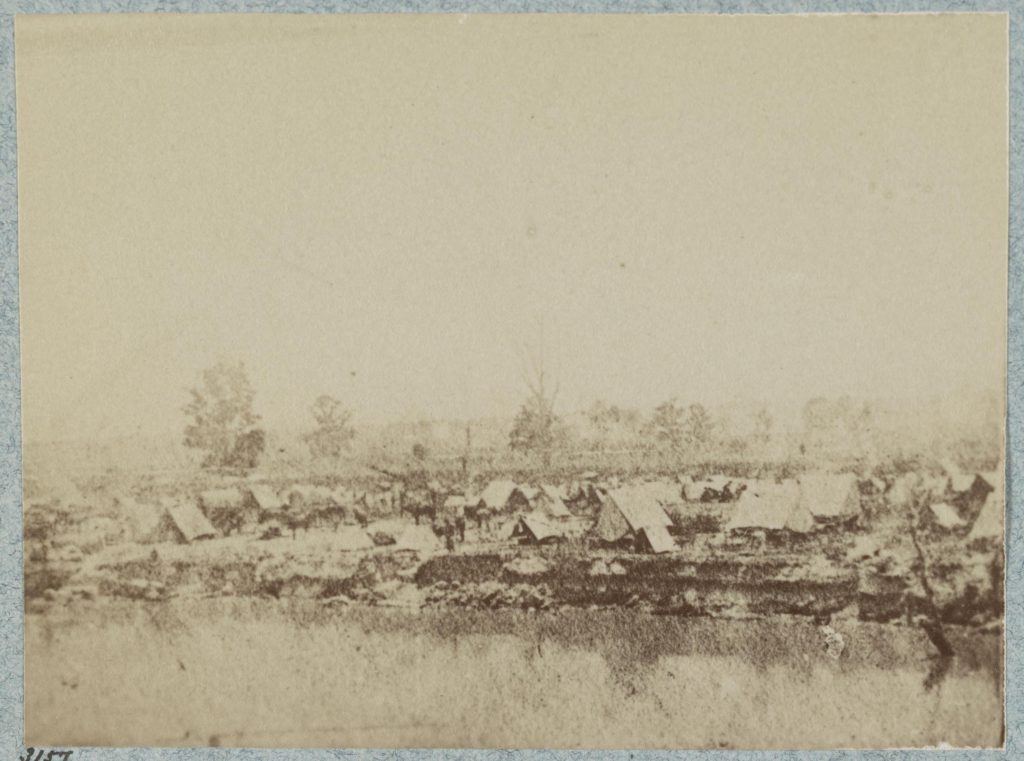
On February 28, 1864, Joseph Philp wrote from Franklin, Louisiana to his father. The regiment had spent the winter in Louisiana and was now preparing to embark on the Red River Campaign, though the soldiers knew little about their intended destination, or the exact time of their departure, as Joseph Philp detailed in his letter.
“You will be surprised to hear that we are again under marching orders, again to make our way up through to Red River. I do not know how soon we will leave this place but I presume in less than ten days as we are ordered to pack our knapsacks so that they can be sent back to Brashear City or New Orleans. I think they have given us a short rest but it is time if we should have this rebellious war brought to a close, the sooner the better for both sides.”
By this time Joseph Philp was halfway through his three-year term of service. In the same letter, he wrote about the current size of his company which was much diminished from the ideal strength of one hundred men per company.
“All of the boys are well as common, I believe. Our comp have increased since we got back here. We have now with us 42 men — all good for duty. Some days one or two get excused from duty but that is nothing. It does not stop the progress of the days work. Even if death takes a comrade, it is not noticed in our duty. It is one thing over and over.”
Joseph Philp wrote again on March 14, 1864, and revealed that the regiment was still at Franklin, Louisiana, although he believed they would leave the next day. He also assured his parents that his financial situation was alright and that, unlike other soldiers, he did not drink or use tobacco. He also reflected on the local women and his belief that they should hold off getting married until after the end of war.
“We have not got paid off in a good while so I could not send you any but will as soon as it is possible. There is four months pay due us by the time it is paid. I do not complain as far as I am concerned — only for you. I can get along without money for a good while but it is not a great many that say thus. One thing I do not use — tobacco nor intoxicating drink. Therefore, all I spend is in useful things to support the family. What I mean by family is I supply them in writing paper. Do not take me that I have a family in this southern clime. I do not intend to have one as long as a soldier I am. When I am clear from military discipline, then I can talk with some of the young gals either north or south. I do not intend to say I will get a wife north, but I will say it may be here in this state that I find a suitor. You know a person should not be bound to his own state for a lover. There is too much deceit afloat.
We have a great deal of sport here about the gals all wanting to get married so bad. I feel sorry for them — poor creatures. They all should be united to someone if it is to the lowest of the low for the war will take a good many of the poor soldiers lives. So I would advise them if they get married to marry a man that is exempt for he may have to go & leave their honeymoon and perhaps will lose his life. I would — if I were a gal — wait until after this cruel war is over. I could have a better choice though. I do not know. These soldiers are a hard lot of men but there is exceptions, I hope, in this as well as anything else.”
Joseph Philp Writes from Across the South
Unfortunately, there is a gap in Joseph Philp’s correspondence spanning the Red River Campaign. The letters resume in August, 1864, when Joseph Philp was enduring the heat of the summer at White River Landing, Arkansas.
“As we (161st [New York Infantry]) are about to leave here for a different part of the Mississippi, I thought I could but sit down & let you know that I am well as usual and enjoying myself first rate considering the warmth of the weather. Perhaps you will think it warm when you can put matches out in the sun & they will catch fire with the warmth of the sun. Why it is enough to melt a person right down. It affects everyone this summer. I know it does me for one. It never troubled me as it does this summer but I can work it through if it does not get any warmer & I have my health. The prickly heat bothers me now but not so as to make me sick.
The Altay boys are all well as common. I am glad we are agoing to leave here but I do not like the idea of going down the river. The gen[eral] opinion is that we are agoing to Morganza [Louisiana] to build an arsenal. I can hardly believe it. They only will tell a soldier. Of course our General knows our destination.”
By November, 1864, the 161st New York Infantry was in Columbus, Kentucky, and looking to set up winter quarters.
“Again I seat myself to say a few words to you. I am well as usual & enjoying myself first rate considering the duty we have to do. Since coming here, it is every other day with the privates & every third & fourth day with the non-commissioned officers. I do not know how long we will remain here but I presume all winter as there is plenty of duty to do. All the white troops there is here is our regiment & one small battery & there is one colored regiment.
We left Paducah on the 25th for this place. The rest of our brigade is there or was by last account. I am in hopes we will stay here all winter as it is getting cool weather. It is time if we are to go into winter quarters this winter. We got all fixed up at Paducah but it was of no use. We have got fixed up here with our fireplaces & stoves — those that have any ambition at all. A little fire comes good these cool nights. It will be cooler to us this winter than it was last as we are a good deal farther north, but it will be healthier for us than it was. The weather does not go by fits & starts.”
Despite Joseph Philp’s belief that they would make their winter quarters at Columbus (after a failed attempt at Paducah, Kentucky), the 161st New York Infantry soon moved south to Memphis, Tennessee. Joseph Philp wrote on December 2, 1864, that the regiment had purchased a large quantity of wood to prepare their quarters.
“You will see by this that we have again moved southward. I am not sorry as I knows of for it is a good deal warmer here than at Columbus [Kentucky]. But the worst of it was that we had to leave our good quarters & again rebuild.
We got here on the 30th & now all — or nearly all — have good tents as we all went to the different saw mills & purchased to suit our taste for a house paying $40.00 dollars per thousand. It is poor stuff at that. It is the opinion that we stay here for some time now. If not here, at Columbus. I do hope we will stay here now as we have got all fixed up again.
There is quite a good many troops here but they are all under marching orders to be ready to leave after the 4th of this month — I believe to go to Nashville, Tennessee to reinforce Gen. Thomas. I hope our luck has changed after so long a time.”
And yet even Memphis proved temporary. Writing three weeks later, Joseph Philp informed his parents that the 161st New York Infantry had moved to yet another state. This time he wrote on December 23, 1864, from White River Landing, Arkansas.
“You will see that we are in the same old regiment as we are all on the move continually. I do not know how long we will remain here but I should think not long. We brought our lumber along with us from Memphis so we had a better chance to get up tents again. We went into an old camp that had of been left by some other regiment so it was not so bad as it might be. I had lumber enough to build a house to suit myself so I did so — I and my tent mate — as two in a tent is enough to be comfortable. We have got a nice little fire place as usual. I have got so that I do not care how long they stay in a place. I am ready to go any minute. It is tough but fair. It will not last always I hope on my part or anyone else’s either, as we have but a few more months at most. Three years is long enough for me at one time. Let some one else try it.
The war looks better to me now than it has before in regard to coming to a close. I do not think it will close in less than one year but I hope it will come sooner. I would like to see it close while I am a soldier. Time will tell the story how soon it closes.”
Joseph Philp at the Close of the War
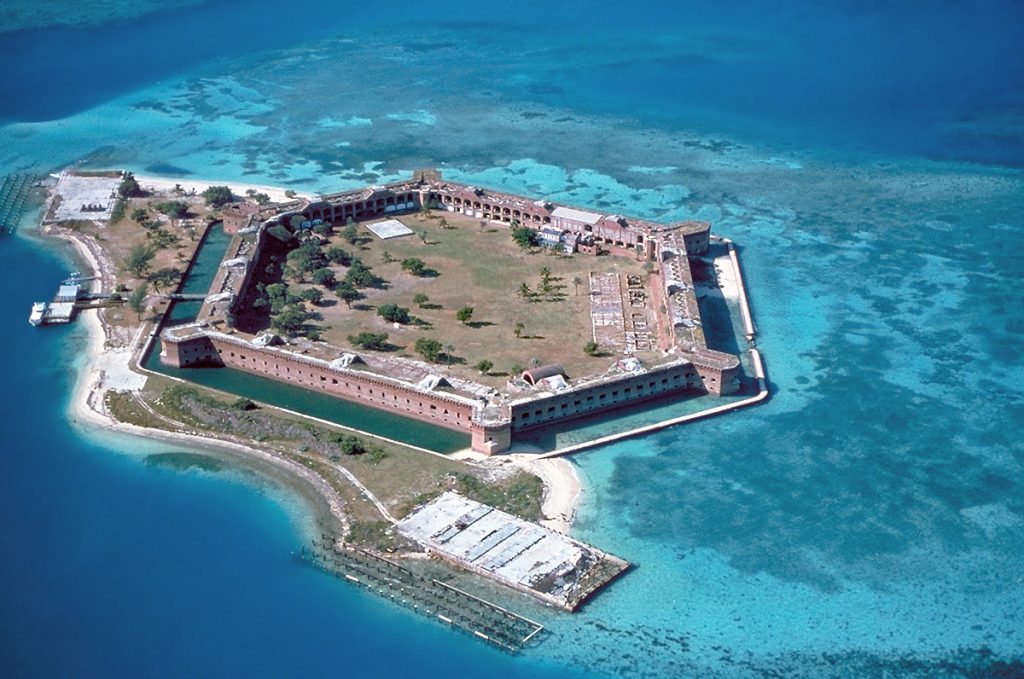
In the summer of 1865, the 161st New York Infantry was ordered to do duty in Florida. The regiment did not muster out until November, 1865, which gave Joseph Philp a glimpse of the postwar South. On July 23, 1865, he wrote from Apalachicola, Florida, with some of his observations.
“Everything is going on nice in this place. The wharfs are covered with cotton, the old store houses a being filled up with goods of various kinds, the stores are open that have been closed for the past four years, the citizens are coming in on every boat & there is four boats going up & down the river everyday fetching in peaches, apples, & melons, green corn &c. &c. &c. &c. and everything looks like peace once more. Everywhere the yanks goes, there comes peace and good will towards men. The soldiers are thought a considerable of here by a good many and not so much by some as there is always some that still hold fast to their evil wars but they will come to it in course of time.”
On August 14, 1865, Joseph Philp wrote from Fort Jefferson, Florida where the 161st New York Infantry was on guard duty.
“The boys are all well as common and in the best of spirits considering all in all & it is a good healthy place here. We get fresh beef three times in ten days and that is more than we have been in the habit of getting unless we were on the march. Then we got it all the time.
The prisoners like our regiment first rate. They treat a prisoners as he should — not as a lot of hogs — because they stumbled on their way and fell on this island. I do not believe in misusing a person because he is under your hands because you have power to do as you see fit.”
After mustering out, Joseph Philp returned to New York. He married Sophronia Abigail Knapp and lived until 1920.
We’d like to give a special thanks to William Griffing of Spared & Shared for his work in transcribing and sharing these letters.
To read more of Joseph Philp’s letters and access thousands of other Civil War letters and documents, sign up for a Research Arsenal membership.
If you enjoyed this article, check out some of our other featured collections like Alfred McClay of the 114th Pennsylvania Infantry and Edwin Perry of the 11th Rhode Island Infantry.
