How Are You Keeping Track of Your Collection?

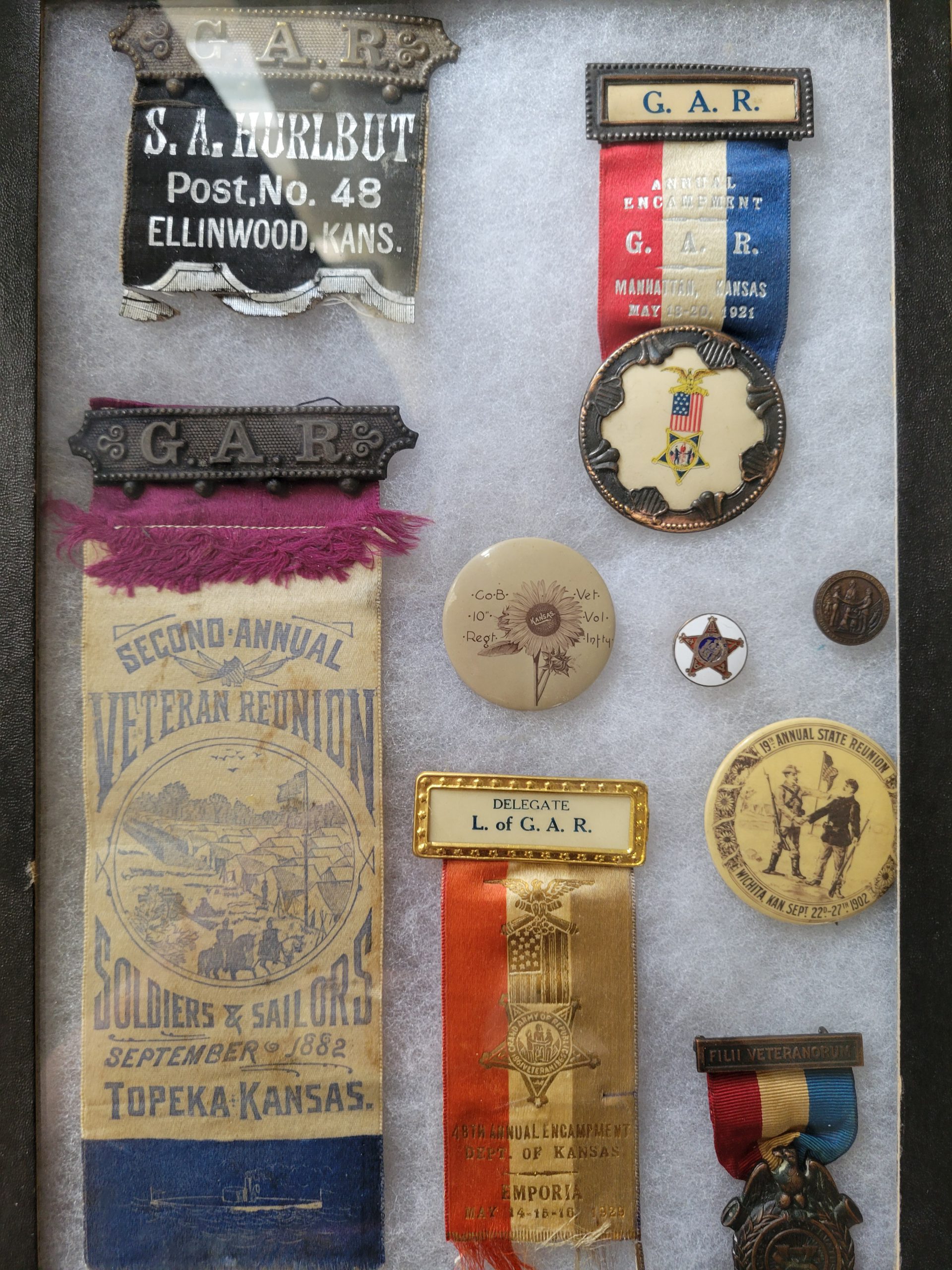
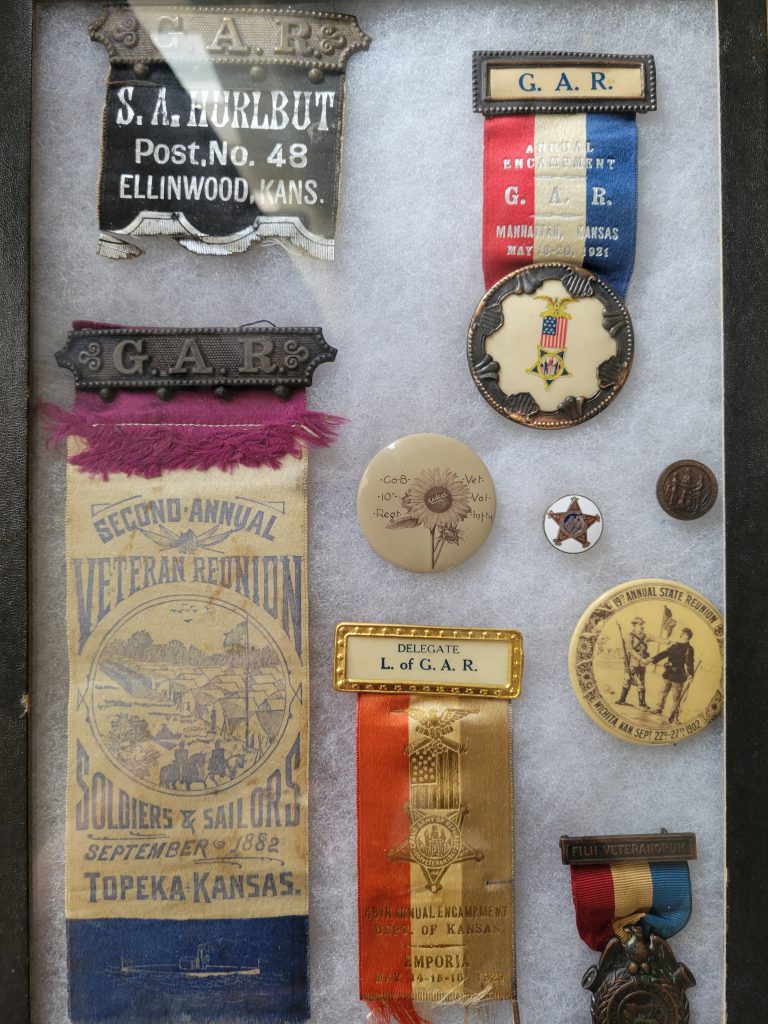
Collections of items in Riker mounts (like this display of GAR medals) can benefit from having all of the background provenance tracked in a database.

Why You Need to Inventory Your Collection

Keeping track of your collection is one of the most important things you can do as a collector. We all know how it starts: You are going through life minding your own business when suddenly you get bitten by the collector bug. Now you find yourself scouring eBay, Facebook Marketplace, flea markets, antique stores, garage sales, and greasy dumpsters for your latest finds. Don’t worry, there’s no shame in that. Although if you’re a regular dumpster diver I’d definitely make sure that all your shots are current….

Once the collector bug has struck, you may find your new collection quickly spiraling out of control with more and more additions. Whether it’s a plethora of general Civil War memorabilia, a hefty photographic collection, firearms, buttons, badges, or ribbons, it can get overwhelming fast. Are all of these finds still on display? Or has that beautiful new sharpshooter tintype you found on your latest dumpster diving trip (hey, it could happen!) taken center stage on the mantel and relegated those other old CDVs to a drawer or a binder? Do you have all of the information of where you got these things, who you got them from, what the significance of them is, where they are stored, what you paid for them, who’s in the picture, and more, written down somewhere, or is it all in your noggin? If it’s the latter, it’s high time to start getting this information down on something concrete.

And if any of you are out there saying, “But I can remember all this! I know all this information in my head!” I’m going to tell you right now, STOP. Once your collection ends up with more than a few things, you won’t be able to remember the exact date you got something, the exact price you paid, the name of the person who sold it to you, the random funny story the seller told you about the person it used to belong to, etc. That information will fade. It’s a simple fact of life. The second issue with this mentality is what if something happens to you? We all know someone who has passed unexpectedly or has been severely debilitated by a stroke or freak accident. We all think it won’t happen to us, but the truth of the matter is that it absolutely can. One last thing to consider is what happens to all of your stuff when you pass on? Are your kids taking it? Do they have the encyclopedic knowledge of your collection that you do? Will it be sold? Does your family have the encyclopedic knowledge of your collection to sell it for a fair price? We all love those deals we find where someone is selling something that they have no idea the actual significance or value of. We’ve all made scores like that, but that’s probably not something any of us would like to see happen to our collections.

How Can I Keep Track of My Collection?

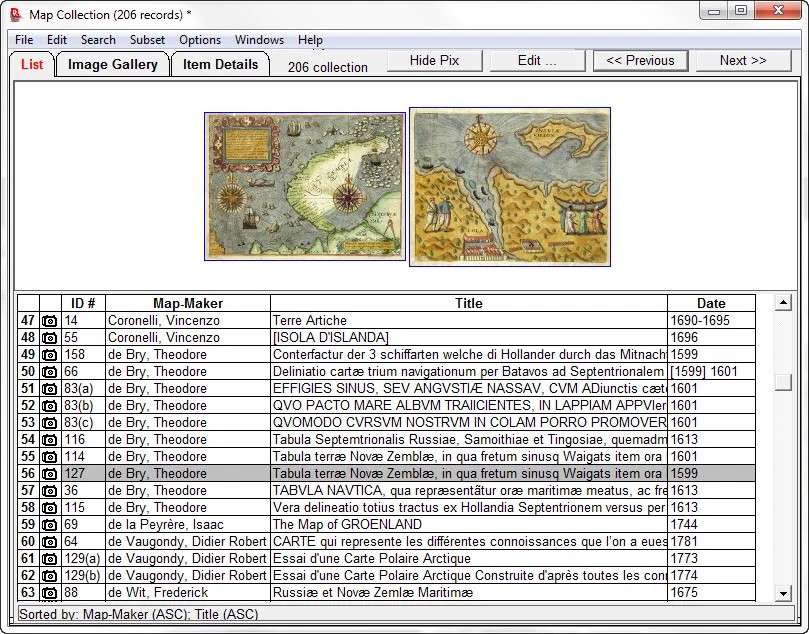
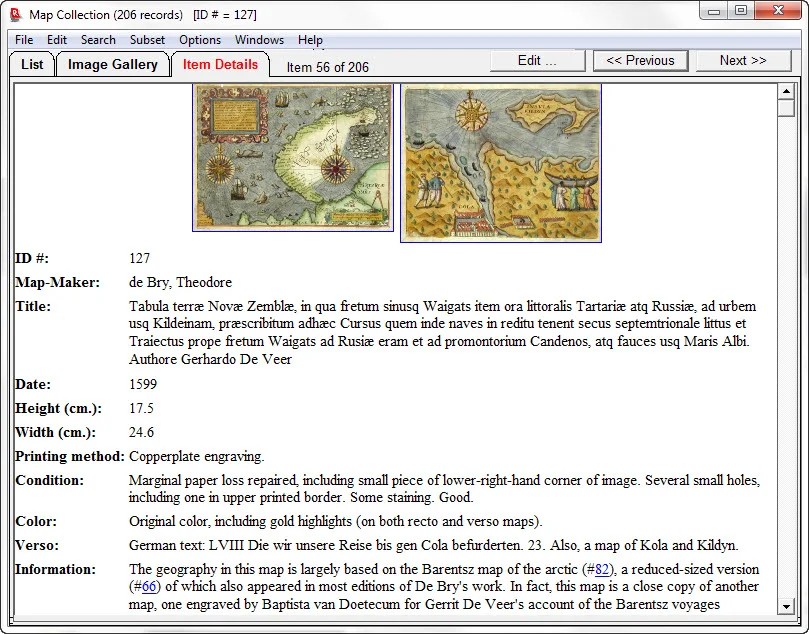
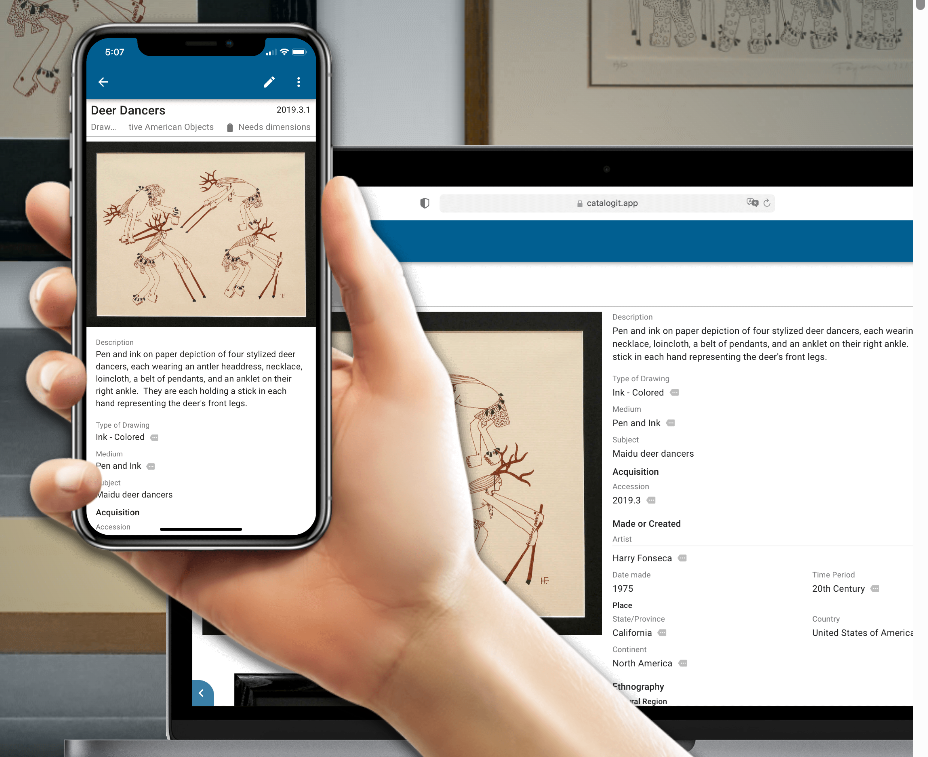
Pen and paper is better than nothing, but for a truly functional catalog system, you'll want to use a computer database.
Pen and paper is better than nothing, but for a truly functional catalog system, you’ll want to use a computer database.

At this point, you may be asking, “Well, this is wonderful information, but what can I do?” I’m so glad you asked! May I present to you, the idea of (drumroll) CATALOGING!” You may say, “But I’m not a museum! I don’t need that!” Well, my friend, once you’ve crossed the line into a large collection, you may as well be a museum. You’re in the big leagues now and you’re going to need to start using some sort of catalog system to track and store information about your collection. This is not as overwhelming as it may seem, and chances are, many of you are already doing something like this.

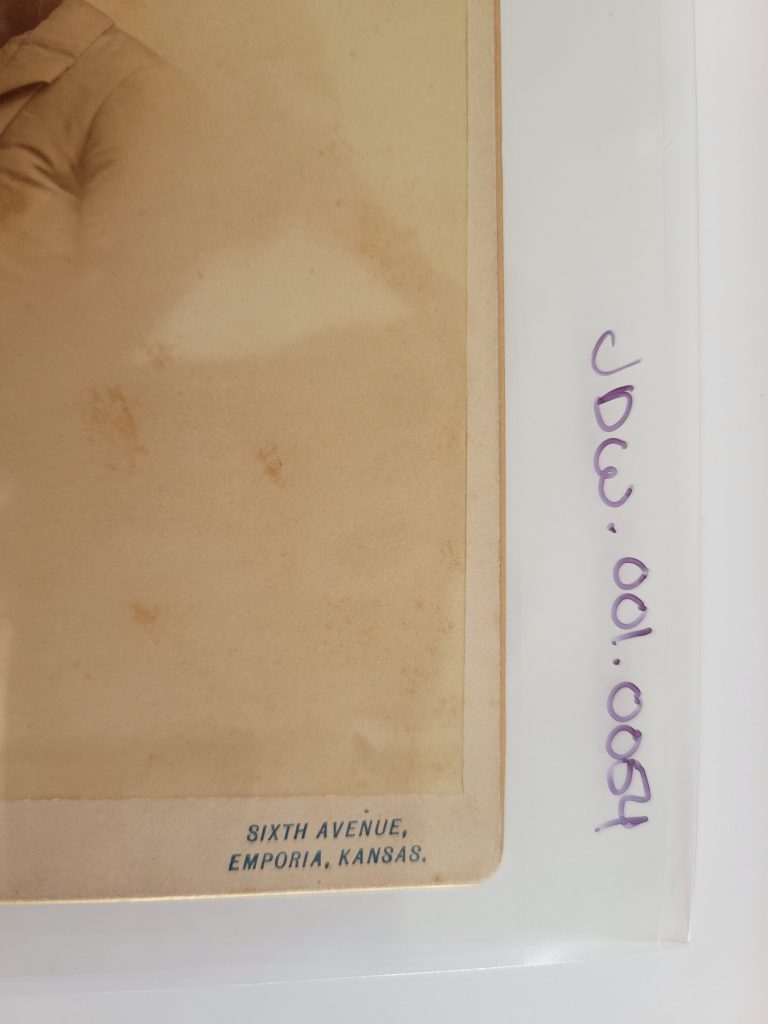
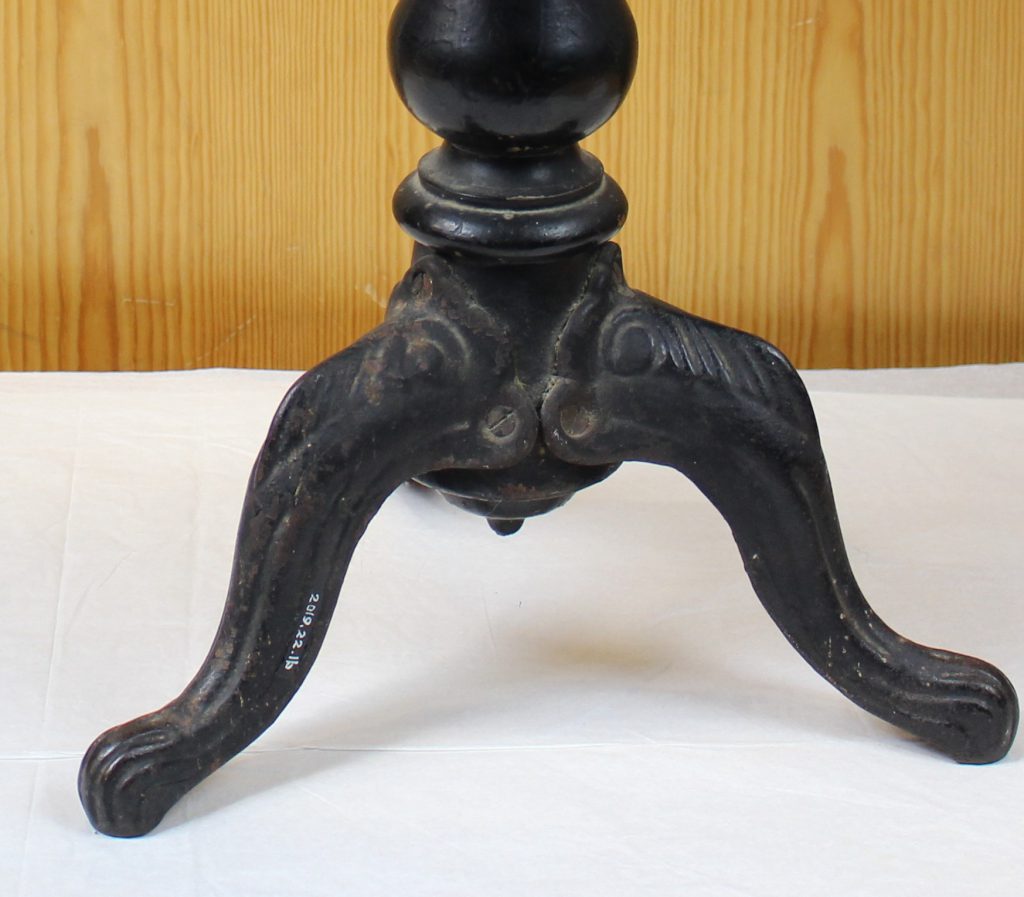
Over the next few blog posts, I’m going to walk you through creating and using a museum catalog system. I will take you through the basics of creating a trinomial numbering system, how to number your items (spoiler alert, it’s not with ballpoint pen. Didn’t you read last week’s article?), enter them into a database, and store your collection. The goal of all of this is to ensure that your collection itself and the information associated with your collection, all stays together in perpetuity. It’s frustrating to think that we may own an unidentified photo that maybe just one or two owners back, was actually identified, but the information was lost when the collection was parceled out on eBay. This happens far more often than I like to think about. Having all this information together in a single database will help alleviate those concerns. Not to mention, this also becomes a fantastic way to track your collection for insurance and appraisal purposes.

As someone who has worked in museums, ran museums, designed exhibits, and served on museum boards for the past 17 years, there are a lot of museum practices that would be of tremendous benefit for private collectors. A catalog system is high on that list because the value of keeping information with artifacts is priceless. So, pull out your notebooks for next week’s post as we dive into this. This is also a wonderful time to assess your collection and really take the time to inventory it, even just on a cursory level. How many items do you have? Do you know exactly which items are in which boxes for storage? Which items are on display? Can you pop quiz yourself on where, when, how and for how much you got each item? And for those of you who have a catalog system in place, how does that system work? Is there anything it’s not keeping track of that you wish it was? We’re going to go over all of this in the coming weeks and I sincerely hope that the information in these upcoming articles will help you find a system that works perfectly for you!

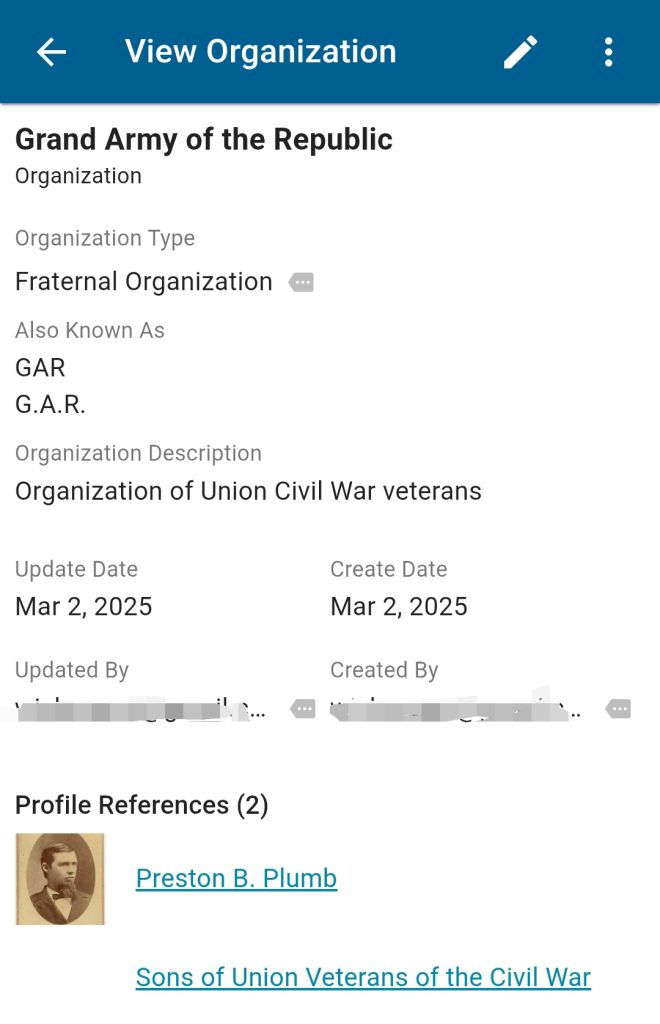
In the meantime, hop over to the Research Arsenal and look through the database to see what sort of data points it tracks. Then take a look at the Library of Congress (or any other inventoried database) and get a feel for how these sites organize information and what they keep track of.

Angry Archivist: Tracing Civil War History With a Ballpoint Pen

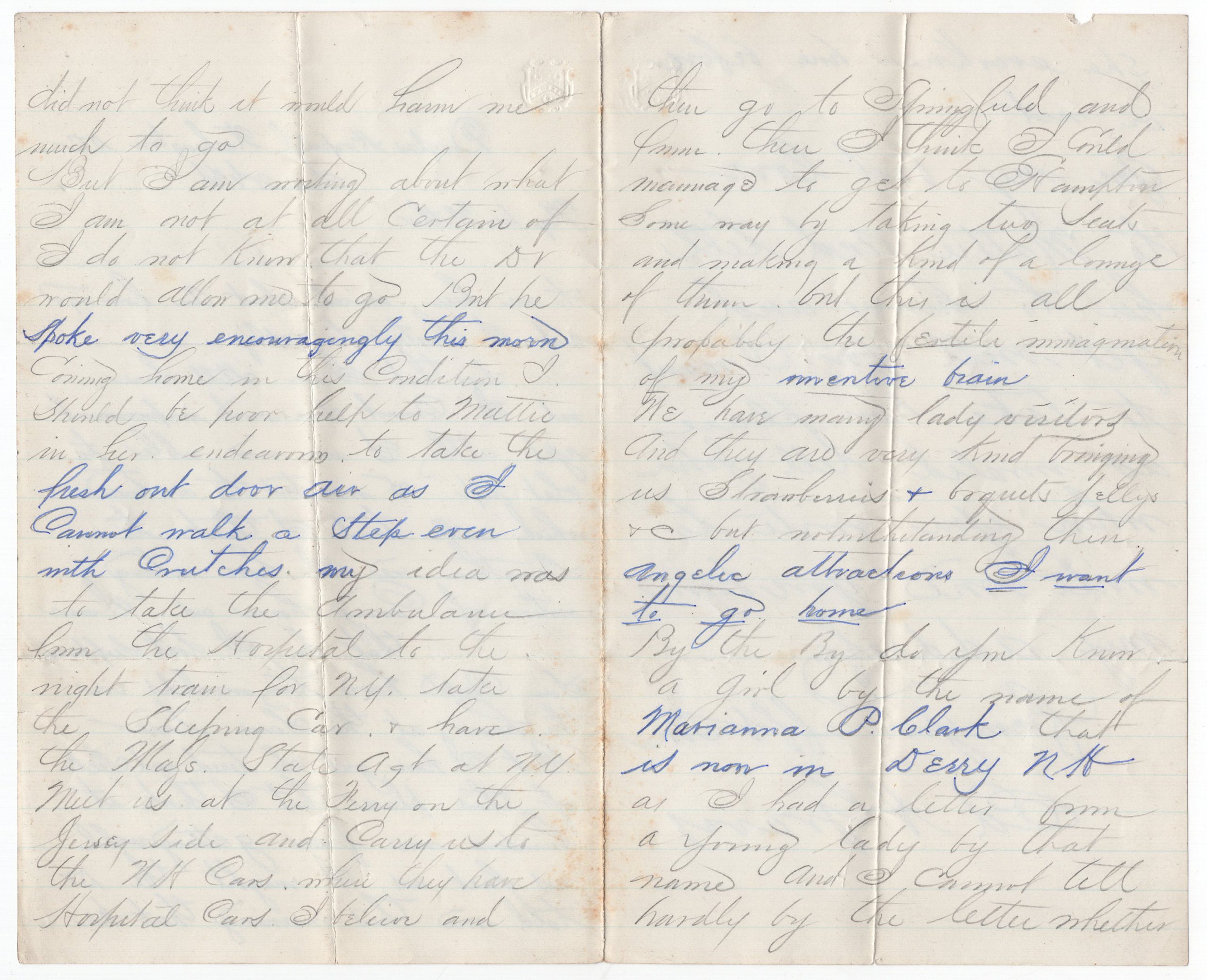
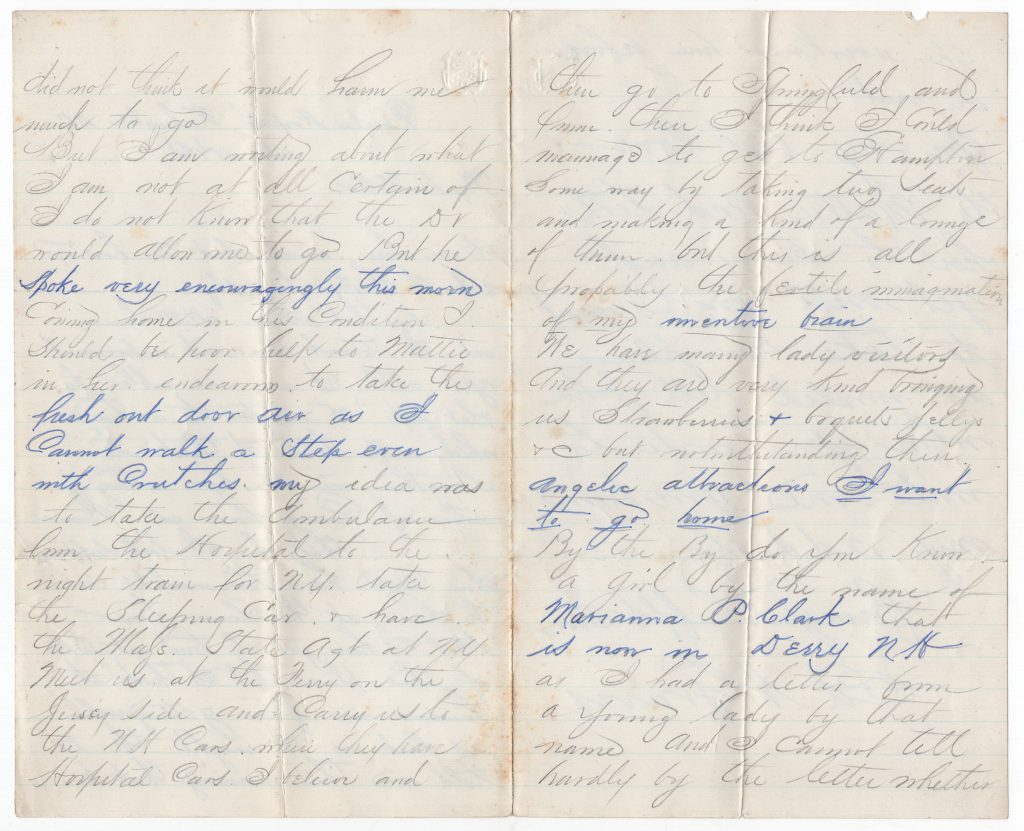
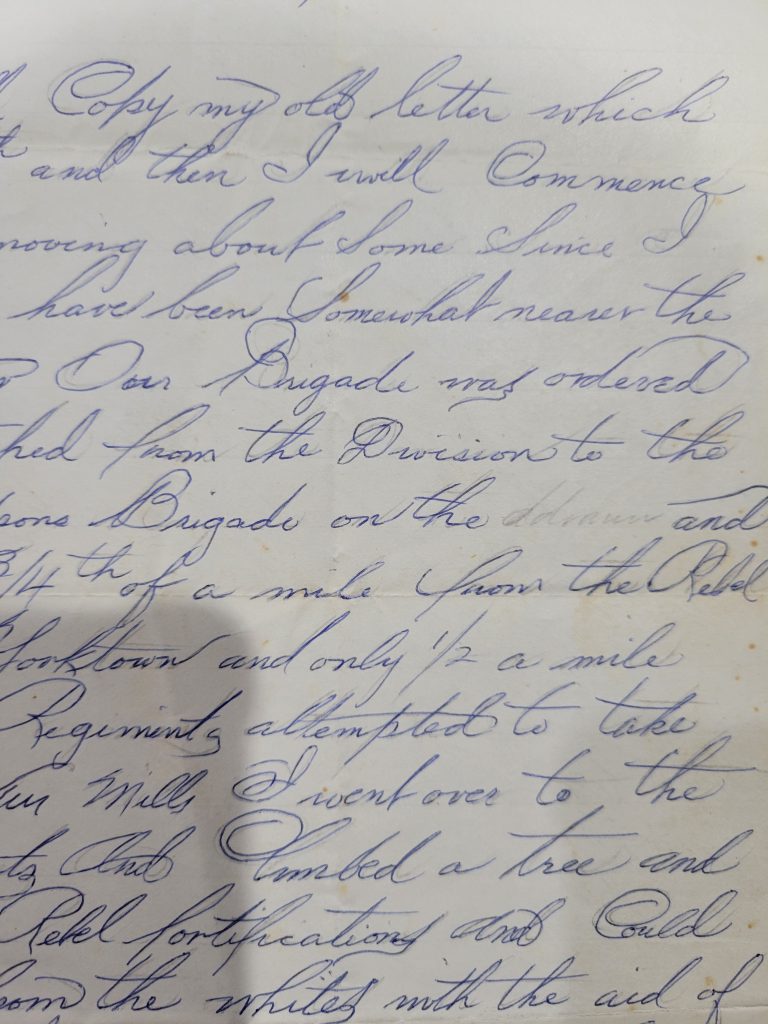
This letter was written by Lt. Horatio Graves of the 10th Massachusetts Infantry in June 1864. At some point in recent history, the original writing has been traced over in spots with a modern ballpoint pen.

Working with archives and artifacts, you are bound to come across things that make you cringe or outright cry. I have been working in museums and with historic material for over 16 years now, and the things I see sometimes still shock me. No one wants an “angry archivist” so I am going to share some of the more unfortunate things I’ve encountered in this (and future) blog posts in the hopes of offering solutions so that these things can be avoided in the future.

One thing that is important to get straight right off the bat: If you are a collector of anything historic (ANY item of historical significance) you are not its owner, you are its caretaker. Bluntly, this means that this item should continue to exist long after you have kicked the proverbial bucket. Which also means that it should continue to exist in its purest form. It should not be modified in any way from its original form. Anything done to archive material or artifacts should be reversible—or in the case of conservation, be done by professionals to avoid irreversible damage. Tracing Civil War history with a ballpoint pen causes irreversible damage to documents.

The Ballpoint Pen

Civil War letter traced with ballpoint pen
This original Civil War letter written in pencil has been traced over by a modern hand with ballpoint pen.

Take a look at this wonderful original Civil War letter. Look at that lovely blue ink it is written in…wait, why is it in a mixture of pencil and ink? Why does that blue ink look like ballpoint pen ink? They didn’t have those in the Civil War, did they? No, no they did not. This letter was written in pencil, but at some point in its lifetime, a former owner of the document decided it was hard to read. So, what did they do? They busted out their trusty ballpoint pen and TRACED OVER THE ORIGINAL WRITING WITH PERMANENT BLUE INK.

Folks, I cannot stress this enough, please, please do not do this. I understand that 160-year-old pencil writing can be difficult to read, but tracing over the original writing on a period document is an archival crime.

Here are some alternatives:

  • Rewrite the letter onto a separate sheet of paper. Or, better yet, type it on your computer!
  • Scan the letter and use a photo editing program to enhance the contrast and make the writing more readable.
  • Literally anything that does not deface the original document.

The Tape

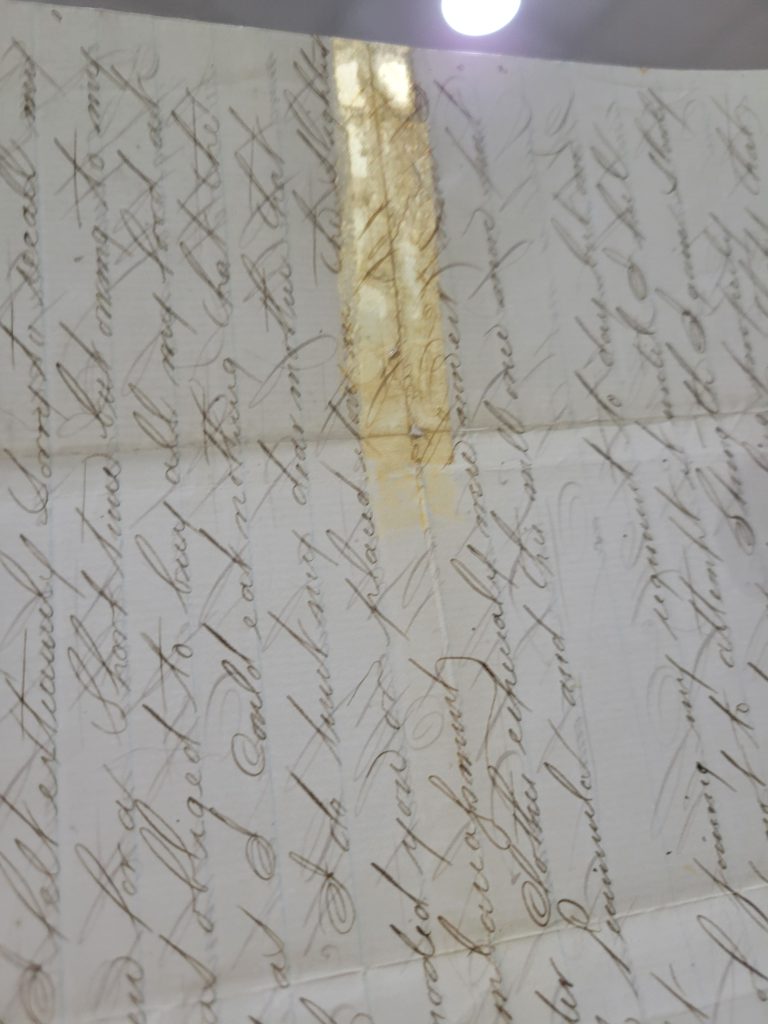
Civil War letter with acidic tape
Here you can see how acidic old cellophane tape is. Even where the tape has crumbled off, the yellow stain remains on the document.

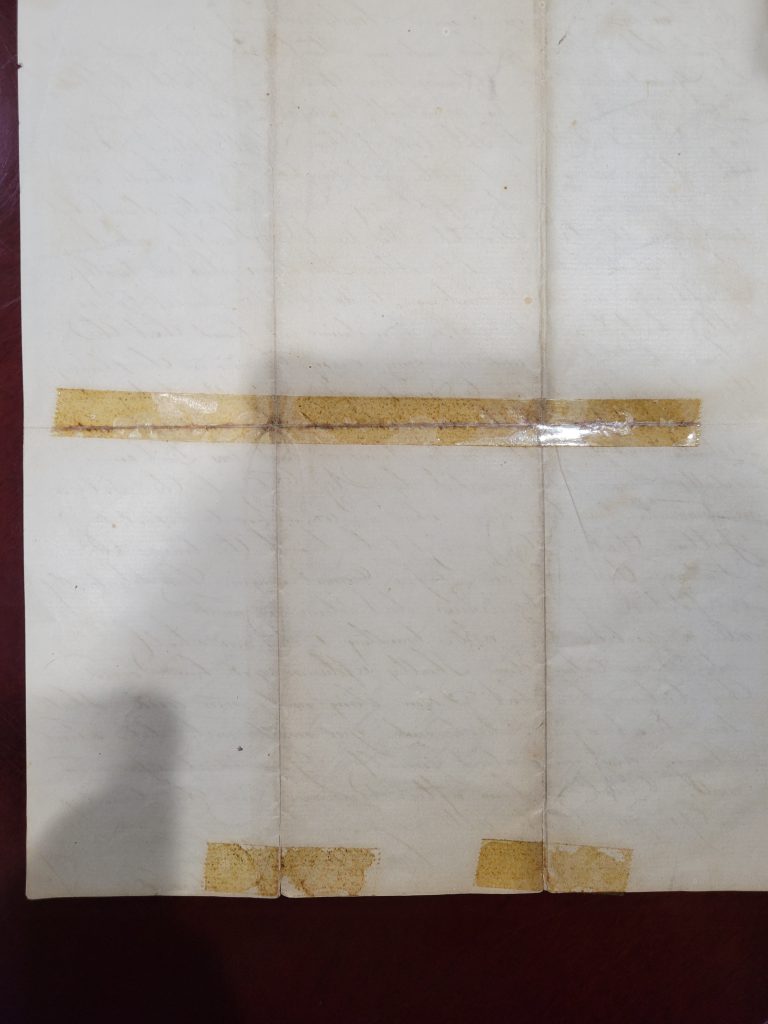
As you can imagine, documents from the Civil War are extremely fragile. Some are even falling apart. Unfortunately, for this document, not only was the pencil writing difficult to read, but it was tearing along the creases where the letter had been originally folded. But not to worry! The former owner of it knew just what to do! TAPE IT. Sigh.

Crumbly acidic yellowed tape is something I see far too often on archival documents. And I understand why people did this. The paper was old, it was falling apart, and they tried their best to keep it together. As they say, the road to hell is paved with good intentions. Unfortunately, tape is not archival—it is extremely acidic. Especially that old transparent cellophane tape from the 1960s and 1970s. Over time, it turns a beautiful shade of yellow, gets super crumbly, and begins to eat the paper. Lovely, isn’t it? And once it’s on there, much like the ballpoint pen, the damage is irreversible. In fact, if you look closely at this photo you can see where the acidic tape has actually eaten through the paper and dissolved it.

Here you can see how the acidic tape actually ate through the paper of the letter causing irreversible damage.

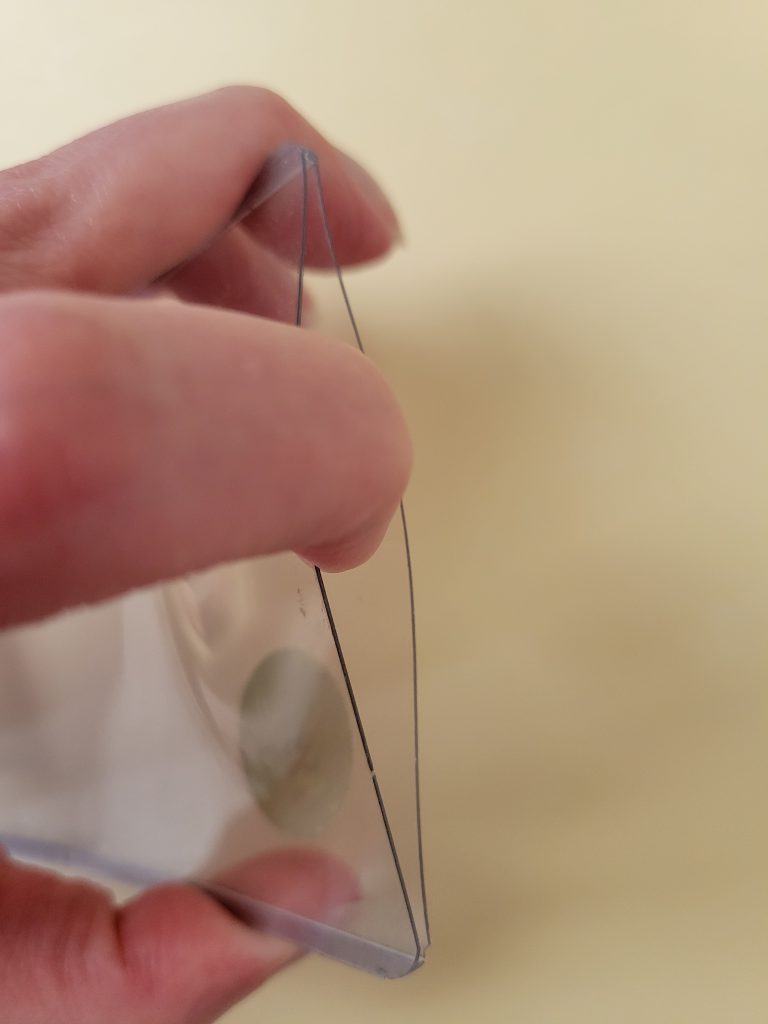
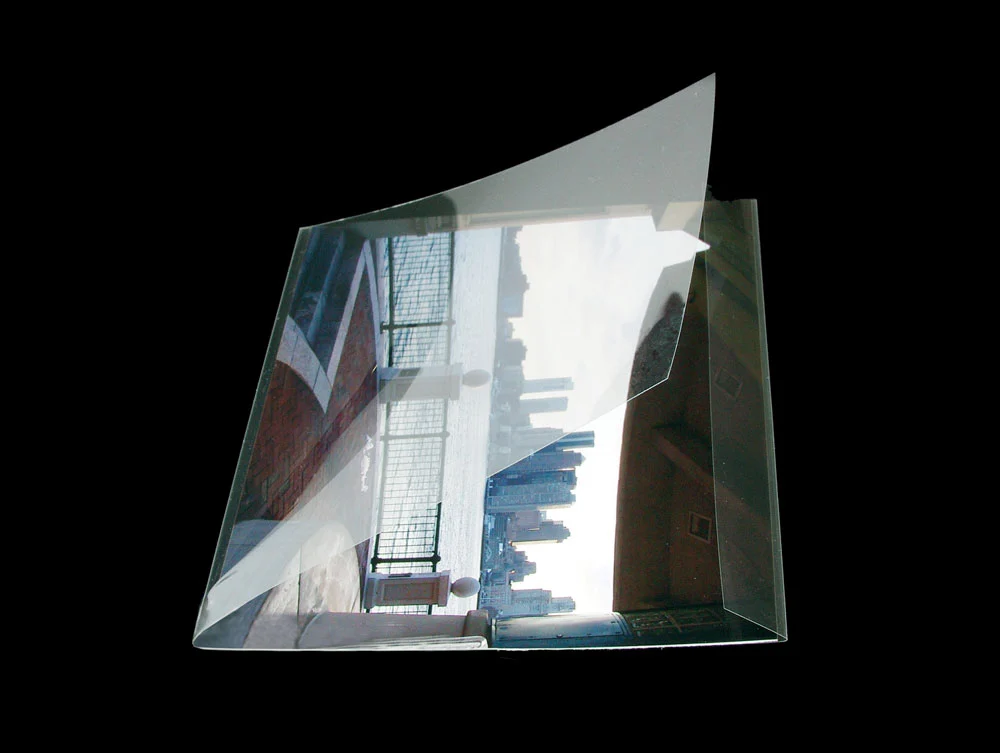
This is a quandary though. If you have historical documents like this, it’s important to preserve them. But if they are falling apart, what can you do? I’ll give you a hint, the answer is not to tape them back together. The first option I would recommend are archival sleeves. Specifically, polypropylene sleeves that are side locking. These are perfectly clear, durable, and archivally safe. This means no yellowing! Or slow acidic eating of documents! What’s better is that they are side locking. This means that you can easily open the sleeve, gently place your document inside it, and then “lock” it with the folding flap. The sleeve then safely holds your paper with a small bit of static and pressure of the top flap to ensure that it does not slide around inside. These types of sleeves come in a variety of sizes so that you can put everything from CDVs to oversized parchment certificates in them. Archival Methods is a great place to purchase some if you are interested: https://www.archivalmethods.com/product/side-loading-print-sleeves

These side-locking print sleeves from Archival Methods will keep your fragile documents safe without causing further damage and degradation.

When shopping for sleeves, I recommend the side-locking type, although there are other varieties that seal on two or three sides. I discourage using the ones that are sealed on three sides because that only allows one side to insert the document, and if it is fragile (as all Civil War era papers are) there is a much higher chance it will be damaged trying to place it in the sleeve. Because the side-locking ones are only sealed on one side, they open easily allowing you to place the document inside gently, and then fold it back over, minimizing stress on the document.

Digitize Everything

The second thing I would recommend is to digitize your documents. In museums, we always try to minimize the amount that any original document or artifact is handled. The more it is handled the more it starts to degrade. Tears on paper get bigger, edges can start to crumble, the leather on artifacts starts to deteriorate faster, etc. Once something is digitized it reduces the need to handle the original object. This is especially true with papers because they can easily be read on a high quality scan (300 dpi). Once the document is scanned, it can be stored safely in a sleeve inside an archival folder and box.

I understand that most collectors are not trained in museum and archival best practices. And I hope that sharing some of the suggestions above will help prevent more incidents like what I’ve discussed. I’ll continue to post and share helpful hints and tips on this blog and share resources of other sites that may be helpful for you in managing your collections. The most important thing to keep in mind when storing or working with your collection is: Is what you are doing permanent? If it is, do not do it. Don’t write on original documents with permanent pen, don’t cut them with scissors to better fit that neat frame you bought, don’t tape them back together, don’t hang them up in sunlight to fade, etc. You are the proud caretaker of these items, and if treated well, they will continue to last for future generations whether in private collections or museums. Once they are permanently ruined, there is no going back.

Where Can You See These Letters?

To see the letters referenced in this post visit the Research Arsenal database.

The first letter pictured can be found here: https://app.researcharsenal.com/imageSingleView/130324

An example of tape destruction can be found here: https://app.researcharsenal.com/imageSingleView/130294

The rest of the Horatio Graves letter collection can be found by searching by “Individual” and typing in “Horatio Graves” on the Research Arsenal database.

JOIN THE RESEARCH ARSENAL COMMUNITY TODAY.