RG 94 Spotlight: The 4th New Jersey Infantry

“We Marched, Fought, and Endured”: The 4th New Jersey Infantry in the Overland Campaign and Petersburg
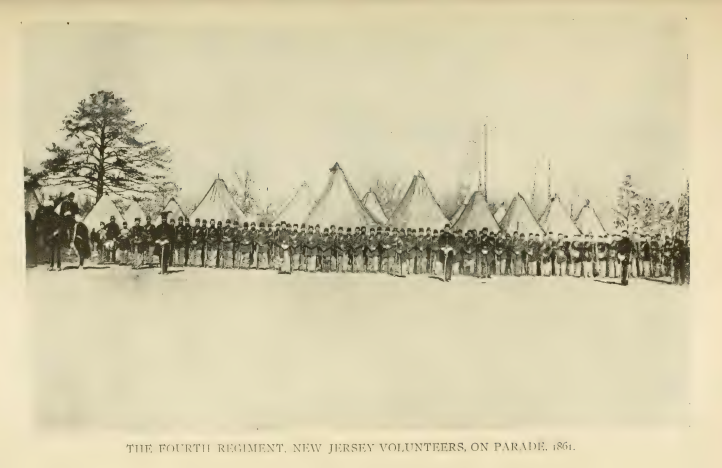
4th New Jersey Infantry photographed on parade in 1861.
4th New Jersey Infantry photographed on parade in 1861. Photograph featured in Baquet’s History of the First Brigade, New Jersey Volunteers (First Brigade), from 1861 to 1865, page 389 (481 in digital scan PDF).

The Research Arsenal is proud to be digitizing and adding historical records of Civil War regiments held at the National Archives to our online database so that researchers and historians can access material that previously required a trip to Washington D.C. The 4th New Jersey Infantry is one of the many regiments that has been added to our database.

By 1864, the men of the 4th New Jersey Infantry were no longer new soldiers. They were veterans—hardened by years of campaigning and now entering what would become the most brutal phase of the war.

The Wilderness: Into the Thicket of Fire

As the Army of the Potomac advanced in May 1864, the First New Jersey Brigade moved into the tangled, suffocating terrain of the Wilderness. Baquet describes the confusion and violence of the fighting:

“The brigade was soon hotly engaged, the enemy being encountered in force in the dense woods. The line advanced steadily, delivering its fire with coolness and precision, though the undergrowth was so thick as to render the alignment irregular and the movements difficult. The fire of the enemy was severe, and the men were subjected to a galling musketry which told heavily upon the ranks.” (Baquet, p. 452)

In this environment, visibility was limited, formations broke apart, and the fighting became intensely personal.

Capern’s letters reflect the same strain and anticipation that defined these early days of the campaign:

“We could hear the fierce rattle of the musketry, and the booming of the cannon, and we could see the shells bursting in the air above the trees. It was a grand but terrible sight, one that I shall never forget. We stood looking on for some time, watching the smoke rise and hearing the continual roar, and wondering how long it would be before we should be called into the fight.”

The Wilderness was not just a battle—it was chaos, noise, and suffocating fear.

Continuous Movement: No Rest for the Army

One of the defining features of Grant’s campaign was constant movement. Baquet emphasizes how little rest the men received as they pushed forward:

“The march was resumed with but little delay, the troops moving by night as well as by day, and halting only for brief intervals. The men were greatly fatigued, but there was no straggling; all seemed impressed with the importance of the movement and the necessity of pressing forward.” (Baquet, p. 456)

Capern’s account mirrors this exhaustion almost word for word:

“We kept on the march till daylight, and then lay down for a little rest. I was so tired that I believe I marched a good piece with my eyes shut. We have been two days without anything to eat, and feel it very much. Still, we have to keep along, for there is no stopping.”

Here, the official history and the soldier’s voice align perfectly—discipline and endurance carrying the men forward despite extreme fatigue.

Spotsylvania: Holding Under Fire

At Spotsylvania Court House, the fighting became even more intense. Baquet describes the brigade under heavy and sustained fire:

“The position occupied by the brigade was one of great exposure, and the fire to which it was subjected was exceedingly severe. Notwithstanding this, the men held their ground with great firmness, returning the fire with spirit and effect, and maintaining their line under circumstances of the utmost trial.” (Baquet, p. 468)

This was no brief engagement. The fighting dragged on, testing both physical and mental endurance.

Capern captured the cumulative toll of this kind of sustained combat:

“We are all sore after eleven days fighting and marching, and nearly worn out. We have had a most mighty hard time, and how much longer it will continue God only knows. The men are in good spirits, however, and determined to go through with it.”

The phrase “most mighty hard time” feels almost understated in light of the conditions they endured.

Hunger, Exposure, and Survival

As the campaign wore on, logistical strain added to the hardship. Baquet notes the increasing difficulty of maintaining the army in the field:

“The men suffered considerably for want of proper rations, the rapid movements of the army rendering it difficult for the supply trains to keep up. Notwithstanding these privations, the command continued in good condition, and was ready for duty whenever called upon.” (Baquet, p. 472)

Capern’s firsthand account reveals just how severe those privations could become:

“All I had to eat was a little dust and dirt out of the bottom of my haversack. I was so hungry that I ate it and thought it good. We have suffered a great deal for something to eat, and it tries a man very much.”

This is the lived reality behind Baquet’s more measured description.

Petersburg: Life in the Trenches

When the campaign settled into siege at Petersburg, the nature of the war changed—but the hardship did not lessen. Baquet describes the transition to trench warfare:

“The brigade was now engaged in the duties incident to a siege, occupying the lines before Petersburg, and constantly exposed to the fire of the enemy’s sharpshooters and artillery. The men were required to be continually on the alert, and the labor of strengthening and maintaining the works was unceasing.” (Baquet, p. 489)

This was a new kind of warfare—static, grinding, and relentless.

Capern’s earlier reflections on fatigue and exposure take on new meaning in this context:

“We do not get much rest, and when night comes we are glad enough to lie down, no matter where it is… It hurts a man to sleep out on the bare, frozen ground these frosty nights. We have but little to cover us, and the cold is very severe.”

Even without constant charges, the siege demanded endurance of a different kind—long-term survival under fire.

Preparing for Death

Whether in open battle or entrenched lines, the awareness of mortality never left the soldiers. Capern described preparing for combat in deeply personal terms:

“We piled up our knapsacks and everything we did not want to carry into the fight, never expecting to see them again. I felt that I might be called upon to die, and I tried to prepare myself for it. I put my trust in God and felt that whatever might happen would be for the best.”

This quiet moment—shared by countless soldiers—speaks more powerfully than any battle report.

Reflection: “Thankful… to Have Got Off with My Life”
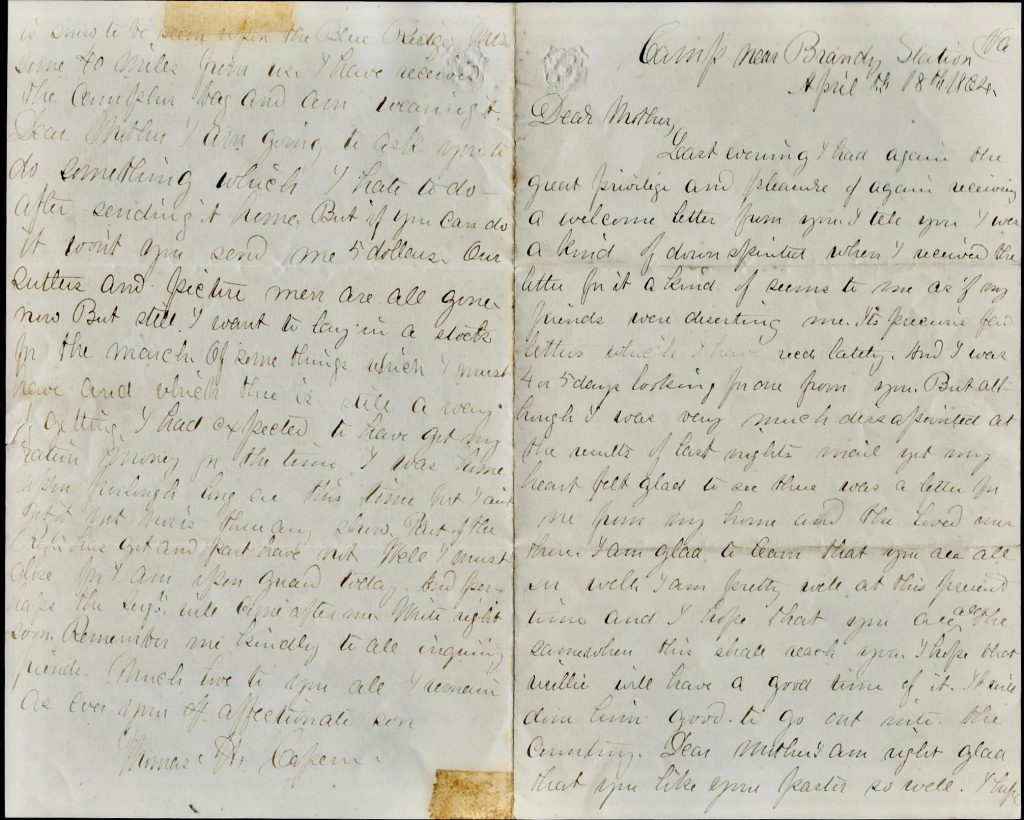
Example of a letter from Thomas Capern, Company E, 4th New Jersey Infantry, sent to his mother, Mary.

By the end of these campaigns, survival itself was a kind of victory. Capern reflected:

“After seeing what I have seen, I am thankful to God for having got off with my life. Many a poor fellow has fallen who went out as strong and hopeful as I. It makes a man feel very serious when he thinks of these things.”

Baquet’s history records movements, engagements, and outcomes. Capern records something else entirely—the emotional cost.

Conclusion: The Veteran’s War

The pages of Baquet (451–504) show a regiment constantly in motion—fighting, marching, digging, and holding under pressure. Capern’s letters show what that experience felt like. Together, they reveal the true nature of the 4th New Jersey Infantry in 1864–1865: not just a fighting unit, but a body of men who endured hunger, exhaustion, fear, and loss—and continued forward anyway.

Sources

The Research Arsenal is proud to hold digital scans of the 4th New Jersey’s regimental records on its database. These consist of over 1,100 pages of material from the National Archives Records Group 94 files. These include Regimental Descriptive books, Order books, Morning Reports, and more. Visit the Research Arsenal, click on “Search NARA Records” then select “RG94” and “4th New Jersey Infantry” from the drop-down menus. In addition, the Research Arsenal contains photographs, letters, and other forms and documents relating to the 4th New Jersey Infantry. Thomas Capern’s letters featured in this post are also available on the Research Arsenal.


RG 94 Spotlight: The 76th Ohio Infantry

The 76th Ohio Infantry: A Regiment Forged in the Western Theater

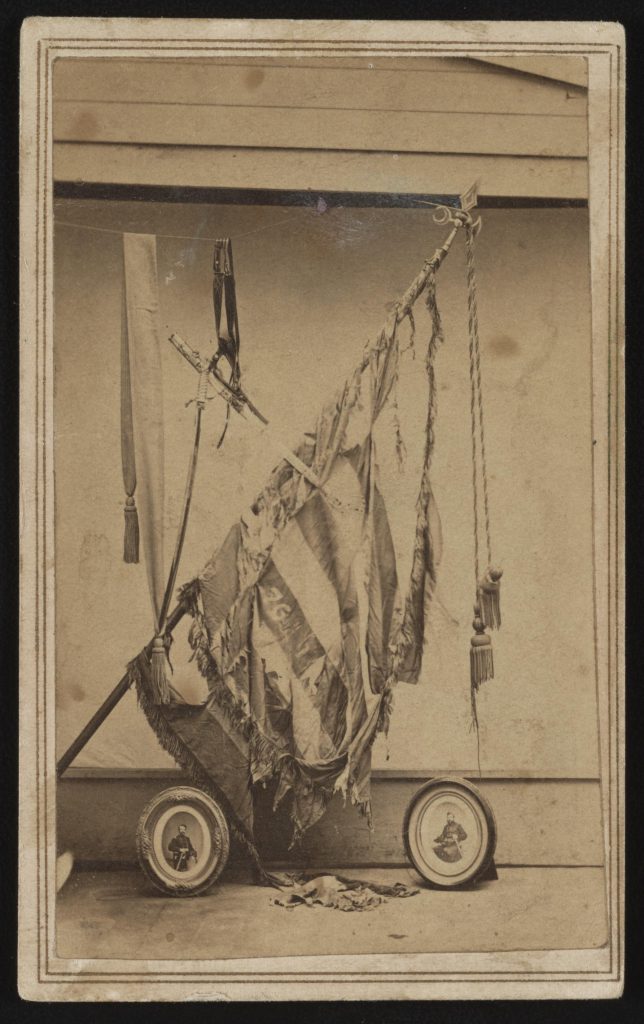
Battle-torn regimental flag of 76th Ohio Infantry Regiment
Battle-torn regimental flag of 76th Ohio Infantry Regiment with photographs of Major General Charles Robert Woods and Major General William Burnham Woods propped on the ground beside it. An officer’s sword and sash are also hanging from a string in front of the flag. https://app.researcharsenal.com/imageSingleView/3760

The Research Arsenal is proud to be digitizing and adding historical records of Civil War regiments held at the National Archives to our online database so that researchers and historians can access material that previously required a trip to Washington D.C. The 76th Ohio Infantry is one of the many regiments that has been added to our database.

The 76th Ohio Infantry Regiment was one of the many volunteer units raised in Ohio during the early months of the American Civil War. Organized in late 1861 and early 1862, the regiment served almost entirely in the Western Theater and became part of General William T. Sherman’s veteran army. Over the course of the war the men of the 76th Ohio fought in some of the most significant campaigns of the conflict, including Shiloh, the Vicksburg Campaign, Chattanooga, and Sherman’s later operations across the South.

Their story is preserved not only in official records but in the vivid recollections of the soldiers themselves. Through memoirs and personal narratives we can glimpse the hardships, dangers, and emotions experienced by the young men who marched under the regiment’s banner.

“Boys” Who Became Soldiers

The 76th Ohio Infantry was largely recruited in Massillon and surrounding communities in Stark County, Ohio. Like many Civil War regiments, it was composed primarily of very young men. One veteran later reflected on the youth of the soldiers who filled its ranks:

“Glancing over their muster roll… one would be impressed with the large proportion only eighteen years old… I have felt safe to conclude that the average age of all the volunteers in this company during the war did not exceed twenty years.”

Many of these recruits had come directly from farms, schools, and small-town businesses. They had little military experience when they enlisted, yet they quickly found themselves thrust into a vast and brutal war. Despite their inexperience, the soldiers remembered their comrades with admiration. According to one recollection, the company consisted of:

“An intelligent, steady, sturdy lot of men—‘boys’ most of them would be called at home.”

Learning War the Hard Way

The regiment quickly entered the active campaigns of the Western Theater. Early operations in Tennessee and Mississippi included participation in the campaigns surrounding Fort Donelson, Shiloh, and Corinth. For the new soldiers, the transition from civilian life to army life was abrupt and often confusing. Military organization was still evolving, and many mistakes were made in the early stages of the war. One soldier later summarized the learning curve faced by the Union army:

“Everything had to be learned—mostly through dearly bought and disastrous experience.”

Early in the war, soldiers were burdened with heavy equipment and large wagon trains filled with supplies and tents. As the conflict continued, the army learned that mobility was far more important.

A veteran recalled the transformation that occurred as the war progressed:

“One has but to compare the soldier of the earlier period… expecting the government to make his life comfortable, with the same individual a year or two later… content to possess a change of clothing, a blanket or rubber poncho, a meal of bacon and hard-tack in his haversack and a bed of leaves or fence rails.”

These hardships gradually turned inexperienced recruits into seasoned veterans.

Camp Life and Army Equipment

The daily life of the infantryman was physically demanding. Each soldier carried a large amount of equipment, including clothing, rations, ammunition, and bedding.

A soldier from the 76th Ohio described the standard equipment carried by a Union infantryman:

“Clothing consisted of a dark blue blouse, light blue pants, forage caps, low broad-soled shoes… Each soldier carried a gray woolen blanket and a rubber blanket. Food was carried in an oilcloth haversack… and water in a round, flat tin canteen.”

Their early weapons were heavy Belgian rifles that were unpopular among the troops. One soldier remembered them vividly:

“Our first guns were old second-hand Belgian rifles… short, heavy, clumsy arms with a vicious recoil… they always let us know without question when we fired them, for mine kicked hard enough to bruise my shoulder.”

Eventually the regiment received new Springfield rifles, which were far more accurate and reliable.

Hardship on the Mississippi: The Vicksburg Campaign

One of the most important chapters in the history of the 76th Ohio came during the Vicksburg Campaign of 1863. Before the final assault on the Confederate stronghold, the regiment spent months encamped in unhealthy swampy ground near the Mississippi River. Conditions at Young’s Point were miserable and dangerous.

One soldier remembered the gloomy environment:

“Sanitary conditions were unhealthy to an extreme from lack of good drinking water, bad drainage, and malarial surroundings… The whole atmosphere of the place was gloomy and depressing.”

Disease took a heavy toll. In one company alone, several men died during the short time they remained there. Despite the suffering, the soldiers continued preparing for the campaign that would ultimately seal the fate of Vicksburg.

Under Fire at Vicksburg

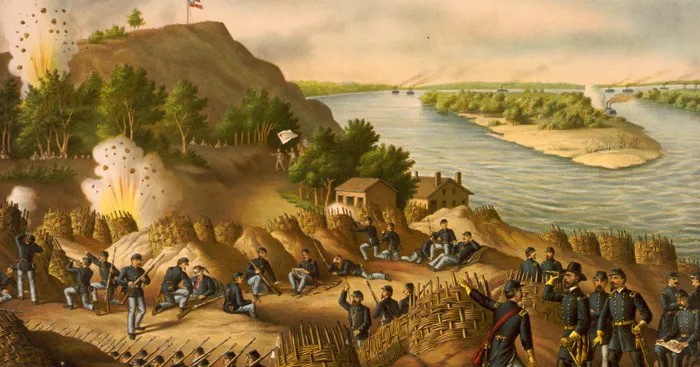
Illustration of the Siege of Vicksburg and Union soldiers taking shelter from artillery fire as described by soldiers of the 76th Ohio Infantry.
Illustration of the Siege of Vicksburg and Union soldiers taking shelter from artillery fire as described by soldiers of the 76th Ohio Infantry. https://www.battlefields.org/learn/civil-war/battles/vicksburg

When Union forces finally advanced on the city, the 76th Ohio helped occupy the high ground overlooking the Mississippi River north of the city.

The siege exposed soldiers to constant artillery fire. One veteran described the terrifying experience of enduring Confederate shells:

“We got the benefit of the return fire… without any protection; consequently had to take some of the worst shelling we were ever under… One twenty-pounder Parrott shell scattered a rail shelter under which a quartette of our boys were playing cards, without injuring any of them.”

Another shell landed nearby while a soldier rested beneath a haystack:

“Another tore a furrow alongside a hay-rick under which one was lying… they tore the limbs off the oak tree under which I made my bed of fence-rails.”

Even with the constant danger, the soldiers developed a grim sense of endurance.

After weeks of siege, the Confederate garrison surrendered on July 4, 1863. The victory was one of the greatest triumphs of the Union war effort.

A soldier of the 76th Ohio wrote simply:

“Our exultation was unbounded at the glorious termination of our hard, long and disastrous campaigning.”

The March to Chattanooga

Soon after Vicksburg, the regiment joined Sherman’s forces in a long march to relieve Union troops trapped at Chattanooga. The march was exhausting. Roads were clogged with wagons and artillery, rain turned the ground into mud, and food was scarce. Soldiers often marched nearly without rest.

One veteran recalled the desperate hunger during this movement:

“For the last three days our haversacks were practically empty… I remember how gratefully and eagerly I ‘snailed on’ to a coarse brown biscuit I found in a haversack one of the Johnnies had thrown away.”

Despite exhaustion, the regiment reached the battlefield in time to participate in the dramatic victories at Lookout Mountain and Missionary Ridge, which drove Confederate forces from their strong positions around Chattanooga.

The Horror of Battle

Later fighting during the Chattanooga operations revealed the brutal reality of Civil War combat. One soldier described a terrible moment when Union troops advanced into heavy fire:

“They were in unobstructed and easy range of the batteries posted on the ridge… and were mowed down in swathes by the grape and canister that swept the field. It was simply murderous, and horrifying to look at, but the brave survivors closed up their ranks and kept forward.”

Scenes like this were repeated again and again throughout the war.

The Final Victory

The 76th Ohio continued serving with Sherman’s forces through the remainder of the war. When the Confederacy finally collapsed in 1865, the regiment traveled to Washington, D.C., where Union armies gathered for the Grand Review.

The spectacle left a powerful impression on the veterans who witnessed it. One soldier remembered the cheers that greeted Sherman and his battle-hardened troops:

“Who that saw it can ever forget the tremendous ovation that greeted Sherman as he appeared at the head of his column… his bronzed, travel-stained veterans filing past in company front with their faded uniforms but proud bearing.”

Shortly afterward the regiment was mustered out of service.

Reflecting on his wartime experience, one soldier concluded:

“Thus ended about as strenuous a three years’ experience as could well fall to the lot of youth. I was a veteran at nineteen.”

Remembering the 76th Ohio

Like many Civil War regiments, the 76th Ohio Infantry was composed largely of ordinary citizens who answered their country’s call in a time of crisis. Over the course of the war they marched thousands of miles, endured sickness and hunger, faced artillery and rifle fire, and helped secure Union victory. Today their voices—preserved in memoirs and regimental histories—allow us to understand the Civil War not only as a series of campaigns and battles but as a deeply personal experience lived by thousands of young men who carried the war on their shoulders.

Sources

The Research Arsenal is proud to hold digital scans of the 76th Ohio’s regimental records on its database. These consist of over 1000 pages of material from the National Archives Records Group 94 files. These include Regimental Descriptive books, Order books, Morning Reports, and more. Visit the Research Arsenal, click on “Search NARA Records” then select “RG94” and “76th Ohio Infantry” from the drop-down menus. In addition, the Research Arsenal contains photographs, letters, and other forms and documents relating to the 76th Ohio Infantry.


RG94 Spotlight: The 37th Wisconsin Infantry

RG 94 Spotlight: The 37th Wisconsin Infantry

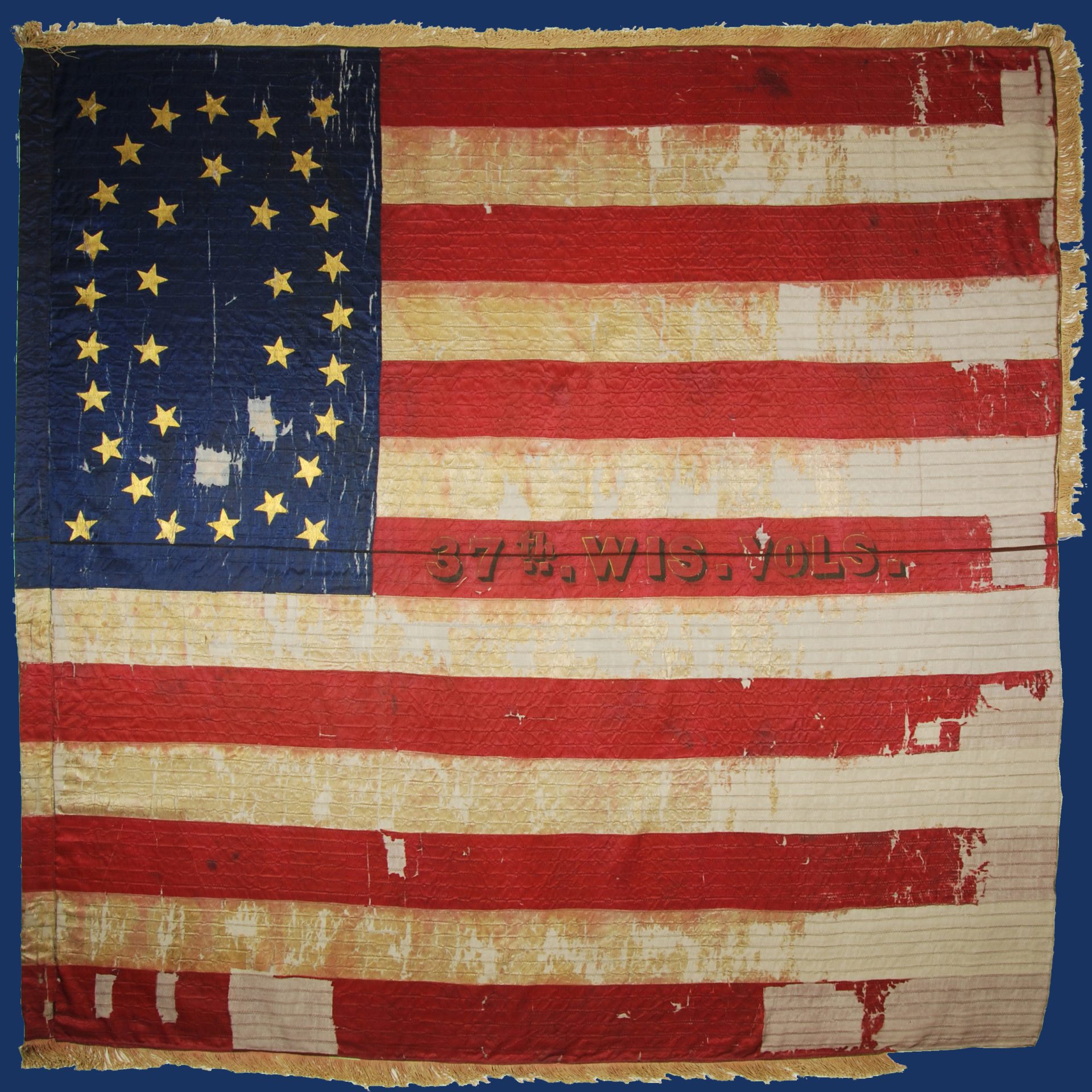
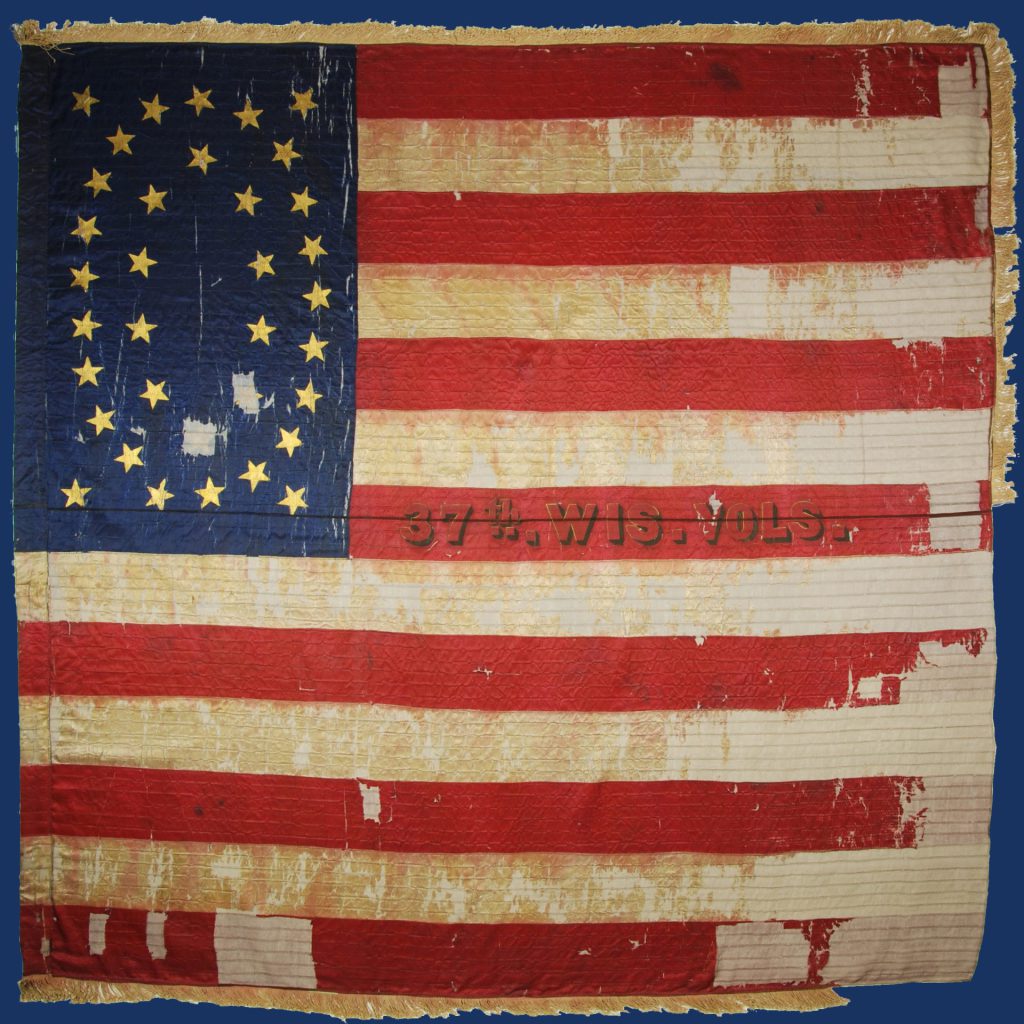
Flag of the 37th Wisconsin Infantry Regiment. https://wisvetsmuseum.com/37th-wisconsin-infantry-regiment/

The Research Arsenal is proud to be digitizing and adding historical records of Civil War regiments held at the National Archives to our online database so that researchers and historians can access material that previously required a trip to Washington D.C. The 37th Wisconsin Infantry is one of the many regiments that has been added to our database.

Organized late in the war, the 37th Wisconsin Infantry Regiment entered Federal service in 1864 and quickly found itself thrown into some of the most punishing campaigns of the conflict. Often remembered as part of the hard-fighting formations before Petersburg, the regiment’s story is best understood not through statistics alone, but through the voices of the men themselves—men who wrote home from hospitals, from muddy trenches, and from battle lines lit by “a glowing red and angry” sun.

Baptism of Fire Before Petersburg

According to the National Park Service summary of the regiment’s service, the 37th Wisconsin was mustered in during the spring of 1864 and soon assigned to the Army of the Potomac. The regiment joined the grinding Overland Campaign and the subsequent operations against Petersburg, where trench warfare and constant skirmishing became the norm.

The regimental history preserved on Project Gutenberg vividly recounts the regiment’s early encounters with combat. At Cold Harbor and in the initial assaults on Petersburg, the men learned quickly what modern warfare meant. One account describes the approach to battle in stark, almost poetic language—the “sun rose glowing red and angry,” as if presaging the carnage to come. The color of the sky blended with the smoke of artillery and the flash of musketry, until the field seemed wrapped in a haze of fire.

In those early actions, the regiment suffered heavily. Men who had scarcely grown accustomed to army routine found themselves under relentless fire. Letters and reminiscences from the regiment describe the terrifying shriek of shells, the crash of volleys, and the sight of comrades struck down. Yet alongside fear was resolve. One soldier reflected that the line held firm despite the storm, the men loading and firing with mechanical determination even as the ranks thinned.

The siege of Petersburg brought a different kind of suffering. Instead of brief, terrible clashes, the 37th endured weeks and months of exposure in trenches. Accounts in the regimental narrative speak of heat, mud, vermin, and the constant vigilance required in close proximity to Confederate lines. Sharpshooters made even the act of raising one’s head perilous. Nights were filled with fatigue duty, digging, and the hauling of supplies.

Still, the men found ways to adapt. The regimental history preserved on Project Gutenberg makes clear that survival before Petersburg required ingenuity as much as courage. After the first shock of assault, the 37th Wisconsin settled into the exhausting rhythm of siege warfare. The men quickly learned that their safety depended upon the depth of their rifle pits. As one account relates, they “improved their works whenever opportunity offered,” deepening trenches and strengthening parapets until the raw earthworks became something like a second skin. What began as shallow scrapes in the dirt evolved into elaborate lines of protection, with head-logs and traverses carefully arranged against enfilading fire.

The same source describes how the soldiers burrowed into the Virginia soil, fashioning crude but effective shelters. In language both practical and wry, the writer explains that the men constructed “little huts of logs and earth,” covering them with whatever material could be found. These makeshift quarters, half underground and half exposed, offered scant comfort, but they were preferable to open sky under sharpshooter fire. The transformation was striking: volunteers from Wisconsin farms and towns became, in effect, subterranean dwellers. The trench line was no temporary encampment—it was home.

Daily life required constant labor. The regimental narrative emphasizes that nights were seldom restful. Fatigue duty—digging, carrying gabions, strengthening fortifications—filled the dark hours. By day, vigilance was paramount. The opposing lines lay so close that even a careless movement might draw a bullet. One passage notes that a man who exposed himself above the parapet did so “at the peril of his life,” a reminder that routine tasks were never entirely safe.

And yet, humor persisted. The same regimental account, even while describing hardship, adopts a tone of dry resilience. The men learned to treat their earth-covered huts as legitimate residences, however unlikely that might seem. What had once been a “ditch” became, through repetition and necessity, a familiar address. The absurdity of domesticating a trench was not lost on them. In recounting their circumstances, the writer’s understated style suggests the soldiers’ own coping mechanism: if one must live underground, one might as well speak of it matter-of-factly.

Captain George A. Beck’s letter, though written from the relative comfort of Annapolis, underscores the same spirit of endurance. Having been “everywhere so well treated” during his convalescent journey, he affirmed that he could “go back and endure the privations of the camp with a will.” The phrase is revealing. The “privations of the camp” were not abstract—they meant poor rations, exposure, exhaustion, and danger. Yet Beck framed them as burdens willingly borne, sustained by affection for home and faith in the Union cause.

Even the hospital setting, with its “neat cot,” gas lighting, and “clouded Egyptian marble mantle piece,” stood in quiet contrast to the earthworks of Petersburg. Beck’s appreciation for these comforts only highlights what the men at the front lacked. His readiness to return speaks to a shared understanding within the regiment: hardship was temporary; duty was paramount.

“The Sun Rose Glowing Red and Angry”

One particularly evocative description—preserved in later commentary drawing from regimental accounts—captures a morning before battle: “The sun rose glowing red and angry.” The phrase suggests both beauty and menace. For the 37th Wisconsin, dawn often meant renewed danger. As daylight revealed opposing lines, skirmish fire would resume. Artillery, silent in darkness, began again its thunder.

Such imagery reminds us that these were citizen-soldiers trying to comprehend extraordinary violence. Nature itself seemed enlisted in the drama. Red skies, drifting smoke, and the trembling earth became part of their vocabulary of war.

Yet even amid such scenes, the soldiers’ writings return repeatedly to thoughts of home. Captain Beck’s longing for “those… hills, bordering the limpid waters of Mahoning” echoes through other accounts. Streams of boyhood held “precedence” over any historic river encountered in the East. The contrast between peaceful Wisconsin landscapes and Virginia battlefields sharpened both memory and purpose.

Sacrifice and Endurance

The 37th Wisconsin’s losses were severe. The National Park Service notes the regiment’s participation in major operations around Petersburg and its continued service until the war’s closing campaigns. Disease and battle claimed many. Officers and enlisted men alike were wounded or killed.

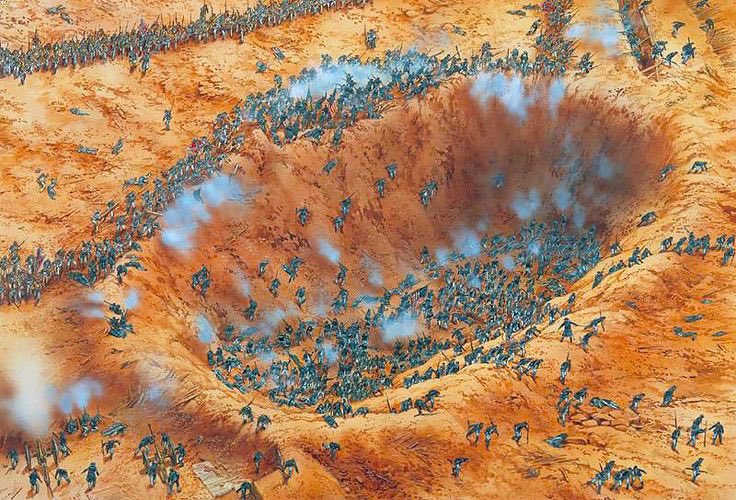
The Battle of the Crater was a major Civil War engagement on July 30, 1864, during the Siege of Petersburg, where Union forces detonated 8,000 pounds of gunpowder under Confederate lines. The explosion created a 130-foot long, 30-foot deep crater, but the subsequent Union assault failed, resulting in a disastrous Confederate victory with over 5,000 combined casualties.

The 37th Wisconsin Infantry Regiment was heavily engaged in the operations surrounding the Battle of the Crater, one of the most desperate and chaotic episodes of the Petersburg campaign. On July 30, 1864, after Union forces detonated a massive mine beneath the Confederate lines, the explosion tore a gaping chasm in the earth and briefly stunned the defenders. The 37th Wisconsin, already hardened by weeks in the trenches, advanced as part of the supporting assaults that followed the blast. Instead of the swift breakthrough many had hoped for, the scene devolved into confusion. The crater itself became a deadly trap—men crowding into its steep sides, struggling to climb out under withering musketry and artillery fire from Confederates who quickly recovered and poured fire into the pit. Of the 250 men of the 37th Wisconsin Infantry who charged into the crater, only 95 walked back out. Over 150 of them had been killed or wounded.

Accounts from the regiment’s history emphasize the intensity and disorder of the fighting. The men faced not only the enemy’s fire but the physical obstacles of broken ground, loose earth, and the suffocating heat of late July. Units became intermingled, commands were difficult to hear, and forward movement stalled. The 37th suffered significant casualties in the effort, a grim testament to the futility of the assault once momentum was lost. The failed attack at the Crater deepened the grim reality of siege warfare for the regiment: bold plans could dissolve in moments, leaving soldiers to endure the grim arithmetic of loss while the lines settled back into the grim persistence of trench fighting before Petersburg.

And yet, as Beck’s letter demonstrates, the men of the 37th often framed their suffering in moral terms. To “endure the privations of the camp” was not merely necessity but duty. The Union, in their eyes, was “a good kindly country,” worth hardship and, if required, life itself.

Firsthand accounts from the regiment do not romanticize war. They speak plainly of exhaustion, fear, and grief. But they also reveal steadfastness. Whether writing from a gas-lit hospital room in Annapolis or from trenches before Petersburg, the soldiers of the 37th Wisconsin bore witness to a conflict that tested body and spirit alike.

In their own words, we see not just a regiment’s movements on a map, but the interior world of men who balanced affection for family with fierce loyalty to country. The red dawns of Virginia, the marble mantels of Annapolis, the muddy lines before Petersburg—all formed chapters in the lived experience of the 37th Wisconsin Infantry.

Sources and Further Research

The Research Arsenal is proud to hold digital scans of the 37th Wisconsin’s regimental records on its database. These consist of over 750 pages of material from the National Archives Records Group 94 files. These include Regimental Descriptive books, Order books, Morning Reports, and more. Visit the Research Arsenal, click on “Search NARA Records” then select “RG94” and “37th Wisconsin Infantry” from the drop-down menus.


RG94 Spotlight: The 5th Minnesota Infantry

RG94 Spotlight: A Brief History of the 5th Minnesota Infantry

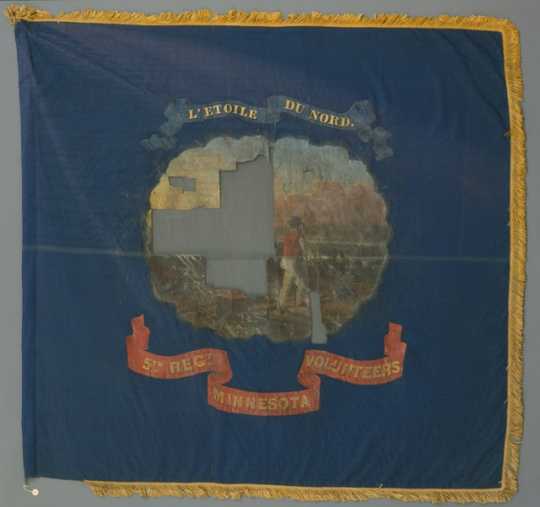
The battle flag of the 5th Minnesota Infantry.

The Research Arsenal is proud to be digitizing and adding historical records of Civil War regiments held at the National Archives to our online database so that researchers and historians can access material that previously required a trip to Washington D.C. The 5th Minnesota Infantry is one of the many regiments that has been added to our database.

The 5th Minnesota Volunteer Infantry Regiment was organized at Fort Snelling, Minnesota, in spring 1862 in response to President Lincoln’s call for more troops during the American Civil War. It was the last of Minnesota’s early volunteer regiments to be assembled, and its men served with distinction in both frontier conflicts and major campaigns of the Western Theater.

Early Service and the Dakota Conflict

While seven of the regiment’s companies were sent south in May 1862 to join the Union war effort, three companies remained in Minnesota during the U.S.–Dakota War of 1862. These detachments saw action on the frontier — including the ambush at Redwood Ferry, the defense of Fort Ridgely, and the protection of Fort Abercrombie — engaging Dakota forces during the outbreak of hostilities.

Joining the Western Campaigns

Once reunited in Mississippi by early 1863, the 5th Minnesota became part of the Army of the Mississippi (later the Army of the Tennessee). Their first significant combat was at the Battle of Farmington shortly after arriving at Corinth, Mississippi, followed by involvement in the Siege of Corinth and other actions like the Battle of Iuka. At Corinth, they played a key role in closing a breach in Union lines and recapturing artillery.

The regiment participated in General Ulysses S. Grant’s Vicksburg Campaign, fighting at Jackson and contributing to operations that culminated in the surrender of Vicksburg on July 4, 1863, a major strategic victory for the Union. Soon after, the men who re-enlisted earned the designation “Veteran Volunteers,” reflecting their experience and commitment.

1864–1865: Continued Fighting

In March through May of 1864 the regiment took part in the Red River Campaign in Louisiana — an ultimately unsuccessful Union effort — before rejoining Union forces in the pursuit of Confederate General John Bell Hood through Tennessee.

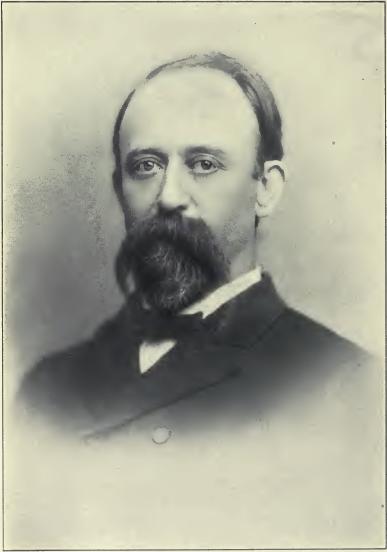
Post-war photo of Brevet Brigadier Gen. Lucius F Hubbard, 5th Minnesota Infantry.

From August 29 – December 2, 1864, the 5th Minnesota marched hundreds of miles pursuing Confederate General Sterling Price’s army through Arkansas, Missouri, Kansas, and the Indian Territory. Conditions during the expedition were severe for the Union army, as Col. Hubbard described in the regiment’s narrative:

“This was, all things considered, the hardest campaign it [the regiment] made during the war. The route lay through almost impenetrable cypress swamps and over unused mountain roads, washed by continuous rains down to their rocky beds. Severe storms prevailed much of the time, and the men often lay down at night, drenched, sore, weary and hungry, feeling that they would never be able to rise to their feet again. It was developed after the command had been out several days that its supply train was loaded with moldy and decayed hard bread, refuse stores issued by the commissary at Little Rock. In consequence of this the army was early put upon half-rations, then one-third, and much of that unfit to eat. The men became nearly starved, and driven to that extreme that they sought for nourishment in the bark of sassafras boughs and beech leaves, which the forest trees afforded. The country was largely uninhabited, and hence afforded nothing upon which an army could subsist.”

At the Battle of Nashville in December 1864, the 5th Minnesota helped break Confederate lines, though they suffered significant casualties. “On the second day of the battle the men advanced across an open field towards the Confederate forces. They suffered a withering fire, and 106 men were killed or wounded. The battle, however, was a resounding Union success. During the battle, the Fifth’s Lieutenant Thomas P. Gere captured the flag of the Fourth Mississippi Regiment.”

In early 1865, the regiment was involved in the campaign against Mobile, Alabama, helping secure positions around the city. With the war winding down, the 5th Minnesota was mustered out of service on September 6, 1865, at Demopolis, Alabama, and returned to Minnesota later that month.

Legacy

Over nearly four years of service, the 5th Minnesota fought in numerous battles and campaigns, from frontier duty in Minnesota to some of the most consequential operations in the Western Theater. Their service exemplified the significant contributions of Midwestern volunteer regiments in achieving Union victory.

Sources and Further Research

The Research Arsenal is proud to hold digital scans of the 5th Minnesota’s regimental records on its database. These consist of over 1,300 pages of material from the National Archives Records Group 94 files. These include Regimental Descriptive books, Order books, Morning Reports, and more. Visit the Research Arsenal, click on “Search NARA Records” then select “RG94” and “5th Minnesota Infantry” from the drop-down menus.

  • Fifth Minnesota Volunteer Infantry Regiment — MNopedia (Minnesota Historical Society) (mnhs.org)
  • 5th Minnesota Volunteer Infantry overview — LibGuides, Minnesota Historical Society Library (libguides.mnhs.org)
  • “5th Minnesota Infantry Regiment,” Wikipedia (Wikipedia)


Records Group 94 Feature: 8th Illinois Cavalry

Records Group 94 Feature: 8th Illinois Cavalry

Saddles, Carbines, and First Shots: The Story of the 8th Illinois Cavalry

When the Civil War erupted in 1861, men across Illinois answered President Lincoln’s call. Among them, those who enlisted in the 8th Illinois Cavalry would go on to carve out a remarkable history, full of daring raids, brushes with famous Confederate commanders, and even a claim to one of the most significant “firsts” of the war. Though not always in the spotlight, their story is one worth remembering—both for its heroism and for the human moments that shine through.

Early Days: A Regiment with an Edge

The 8th Illinois Cavalry was mustered into service in September 1861, pulling in farmers, merchants, clerks, and adventurous young men from across northern Illinois. They were unusual from the start, being issued breech-loading carbines, which gave them a faster rate of fire than many of their Confederate foes.

One soldier later recalled:

“Our breech-loaders gave us the power to strike quick and fall back before the enemy’s slow rifles could answer.”

That technological edge made the regiment a thorn in the Confederacy’s side from their first campaigns.

Gettysburg: The Shot That Sparked the Battle

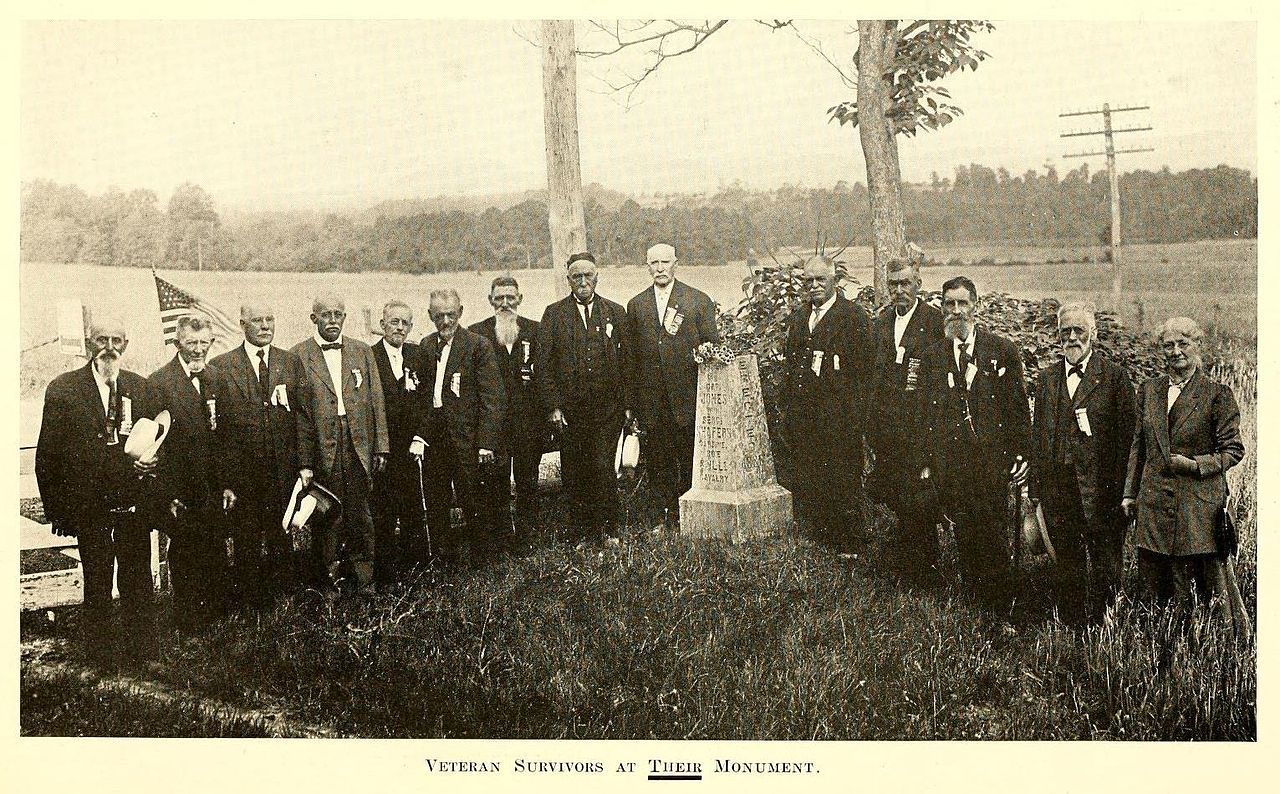
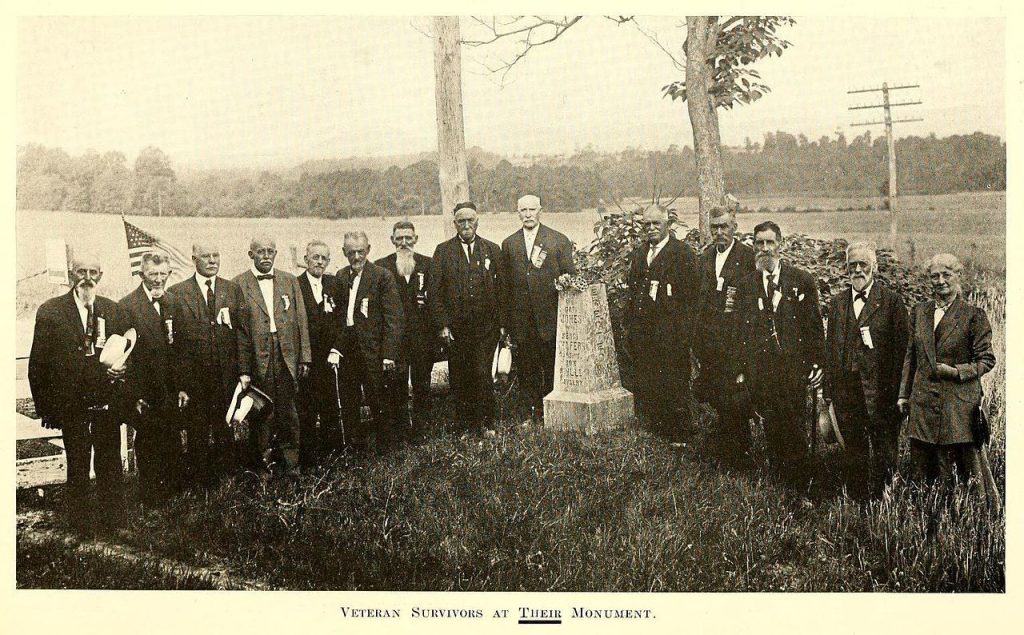
Veterans of the 8th Illinois Cavalry pose with the marker commemorating the first shot fired at Gettysburg during the 50th anniversary reunion, July 1913.

The regiment’s most enduring claim to fame came on the morning of July 1, 1863, at Gettysburg. Lieutenant Marcellus E. Jones, borrowing a carbine from Sergeant Levi Shafer, fired the first shot of the battle.

Jones later reflected:

“I did not think of making history, only of doing my duty.”

That single shot helped set in motion the Union Army’s defense of the Pennsylvania crossroads town, and the regiment continued to screen, scout, and skirmish throughout the bloody three-day battle.

Soldiers’ Stories: Faces of the Regiment

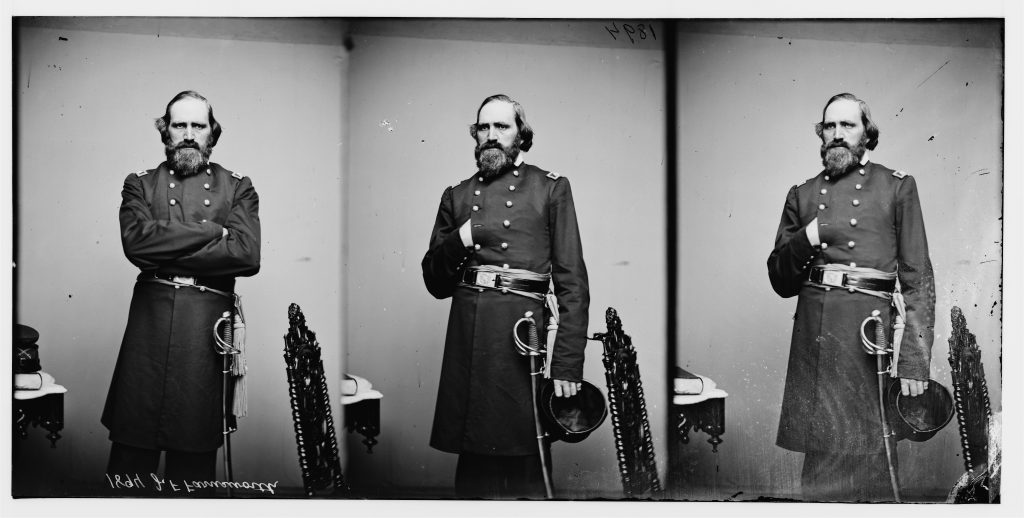
Portrait of ColonelJohn F. Farnsworth, 8th Illinois Cavalry.
Portrait of Colonel
John F. Farnsworth, 8th Illinois Cavalry. https://app.researcharsenal.com/imageSingleView/2282

Col. John Farnsworth – The Politician-Turned-Cavalryman

John Farnsworth, the regiment’s first commander, was a lawyer and politician before the war. Known for his fiery speeches in Congress, he traded words for weapons when he helped raise the 8th Illinois. Though not always a tactician of genius, Farnsworth’s charisma and drive helped mold the regiment in its early days.

Lt. Marcellus E. Jones – The Man of the First Shot

Jones’ name is forever tied to Gettysburg. What’s less known is that after the war, he returned to Illinois and became a judge. He attended veterans’ reunions faithfully, always modest about his place in history.

Capt. William Medill – A Fallen Leader

One of the regiment’s most poignant stories is that of Capt. William Medill, who was killed at the Battle of Malvern Hill in 1862. Medill was the brother of Chicago Tribune editor Joseph Medill, and his loss struck both the regiment and his influential family deeply. His death was a reminder that the war’s reach extended from battlefields to newsrooms and parlors back home.

Pvt. William F. Lyons – The Camp Humorist

Not every legacy was written in blood. Private William Lyons became known in the regiment for his jokes and antics. One comrade remembered:

“Lyons could turn the gloomiest camp into laughter. Even after a twenty-mile march, he’d find some jest to make us forget our sore feet.”
His humor was more than entertainment—it was survival for men who faced constant fatigue and danger.

Sgt. Levi Shafer – The Lender of the Carbine

Often overlooked, Sergeant Shafer deserves credit as the man whose carbine fired the first shot at Gettysburg—though in another’s hands. Accounts suggest he joked about it later, saying Jones “borrowed the honor along with my gun.”

Facing Stonewall Jackson and J.E.B. Stuart

The 8th Illinois crossed paths with some of the Confederacy’s greatest commanders. They tangled with Stonewall Jackson’s forces in the Shenandoah Valley, and often sparred with J.E.B. Stuart’s cavalry.

One trooper wrote of the nerves these encounters demanded:

“To fight Stuart was to fight the wind. One moment we thought him far off, the next he was upon our flank.”

Against such opponents, the Illinois men learned to be cautious, quick, and clever.

Camp Life: Humor Amid Hardship

Cavalry life was grueling. Horses needed care before the men themselves, food was often short, and disease lurked everywhere. Yet soldiers made the best of it.

One diary notes:

“We staged a mock parade, strutting like peacocks until even the colonel laughed.”

Moments like these carried the men through endless nights in fields and barns, when war felt far from glorious.

Raids, Risks, and Narrow Escapes

The regiment became adept at raiding behind enemy lines—cutting telegraph wires, seizing supplies, and spreading confusion. But raids were perilous.

As one officer admitted:

“It was a game of hours. Delay meant capture, haste meant ruin of our mounts. Raiding was not grand, but desperate work.”

The 8th Illinois survived many close calls, often escaping capture by sheer grit.

The Toll of War

The price was high. Disease, exhaustion, and combat steadily thinned their ranks. Soldiers mourned not just their comrades but also their horses, with whom they shared a unique bond.

One letter home captures this attachment:

“I pray my horse may live to see Illinois pasture. He has borne me as true as any friend.”

These words show how intertwined man and mount were in the cavalry experience.

After the War: Guardians of Memory

When the war ended at Appomattox, the 8th Illinois Cavalry returned home with honor. But they did not let their story fade. Veterans became active in preserving battlefields, attending reunions, and sharing their history.

At one gathering, a veteran declared:

“We fired the first shot, aye, but we also bore the long burden. Let no man forget that Illinois riders held fast from first to last.”

The 8th Illinois Cavalry’s history is more than a string of dates and battles—it’s the lived experience of men like Jones, Medill, Lyons, and Shafer. Some made history in famous moments, others in laughter or sacrifice, but together they formed a regiment that left its mark on the Civil War.

Their story reminds us that behind every regiment number are names, faces, and lives—ordinary men who carried themselves with extraordinary courage. And sometimes, history itself can turn on the squeeze of a trigger, on a borrowed carbine, on a quiet Pennsylvania morning.

The Research Arsenal has the complete records of the 8th Illinois Cavalry from Records Group 94 held at the National Archives, available to view online. Simply click on “Search NARA Records” on the homepage, then select “RG 94” as the call number.

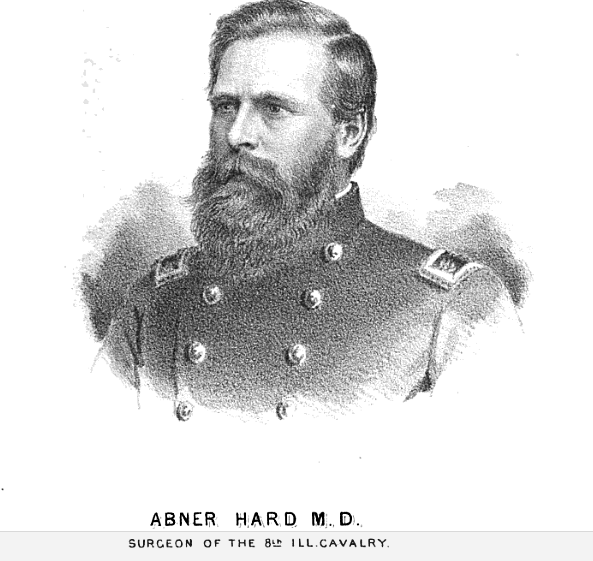
Portrait of Dr. Abner Hard, the author of "History of the Eighth cavalry regiment, Illinois volunteers, during the Great Rebellion" published in 1868.
Portrait of Dr. Abner Hard, the author of “History of the Eighth Cavalry Regiment, Illinois Volunteers, During the Great Rebellion” published in 1868.

The information in this post was pulled from the “History of the Eighth Cavalry Regiment, Illinois Volunteers, During the Great Rebellion” by Abner Hard, M.D. published in 1868. You can view a PDF of that book via the Library of Congress HERE

JOIN THE RESEARCH ARSENAL COMMUNITY TODAY.