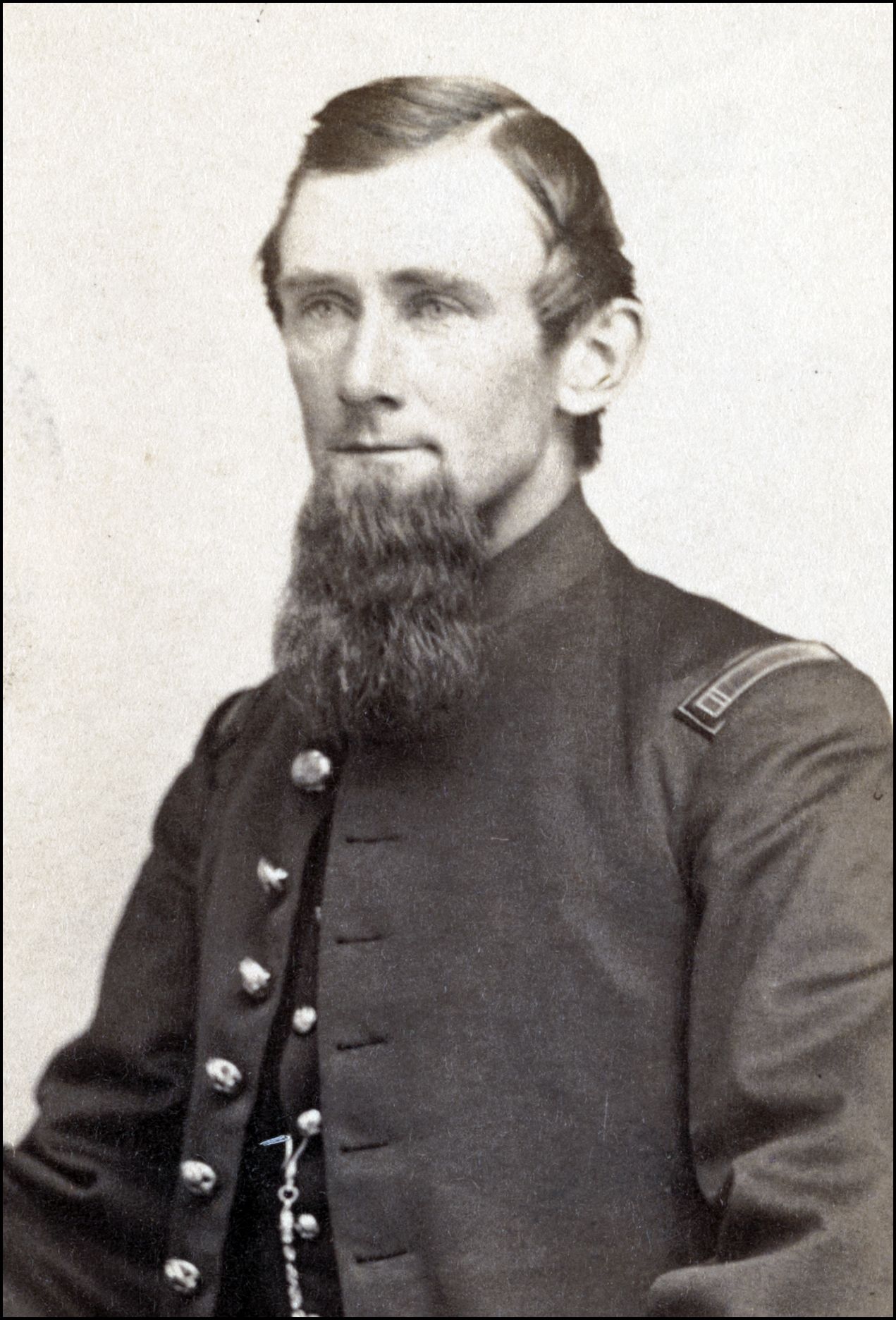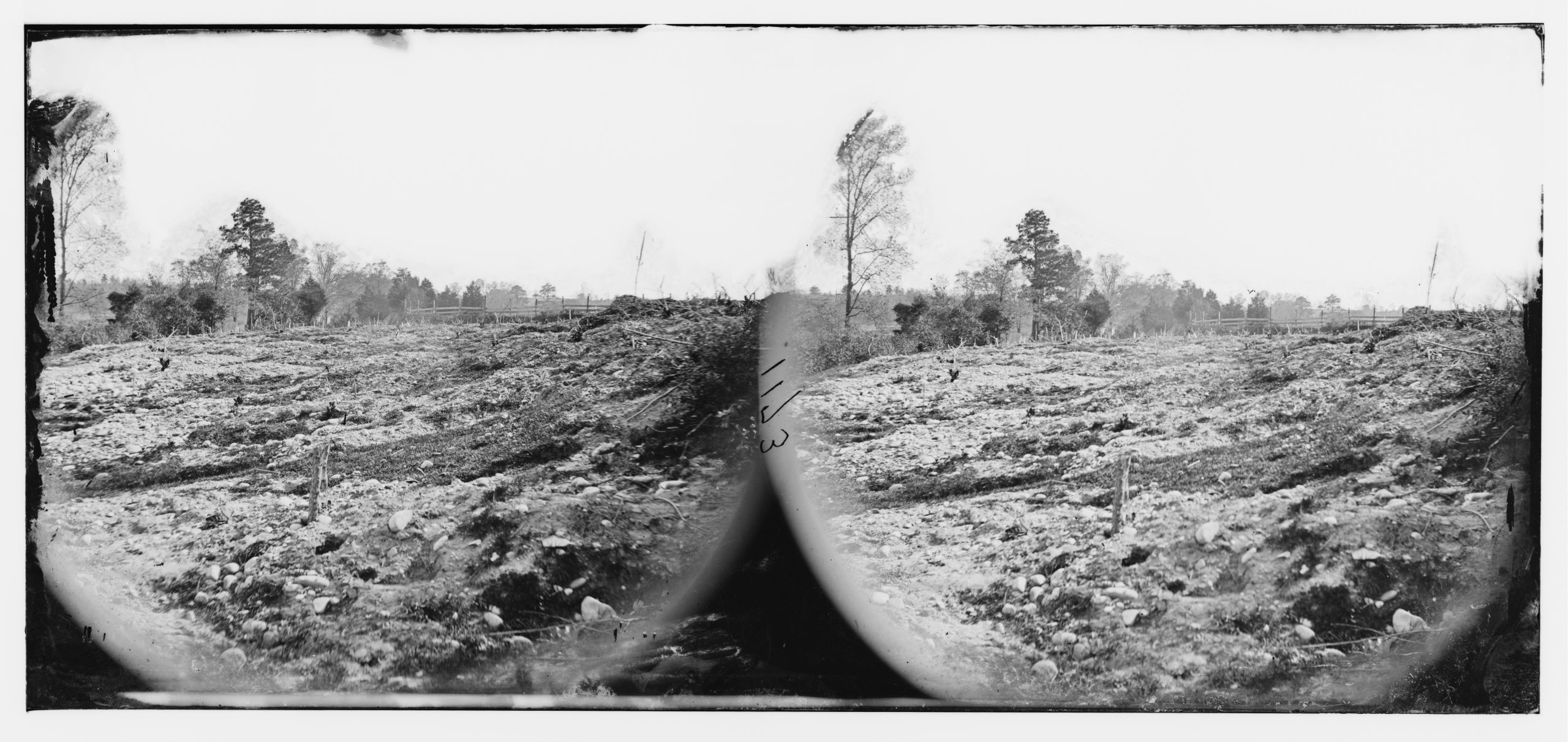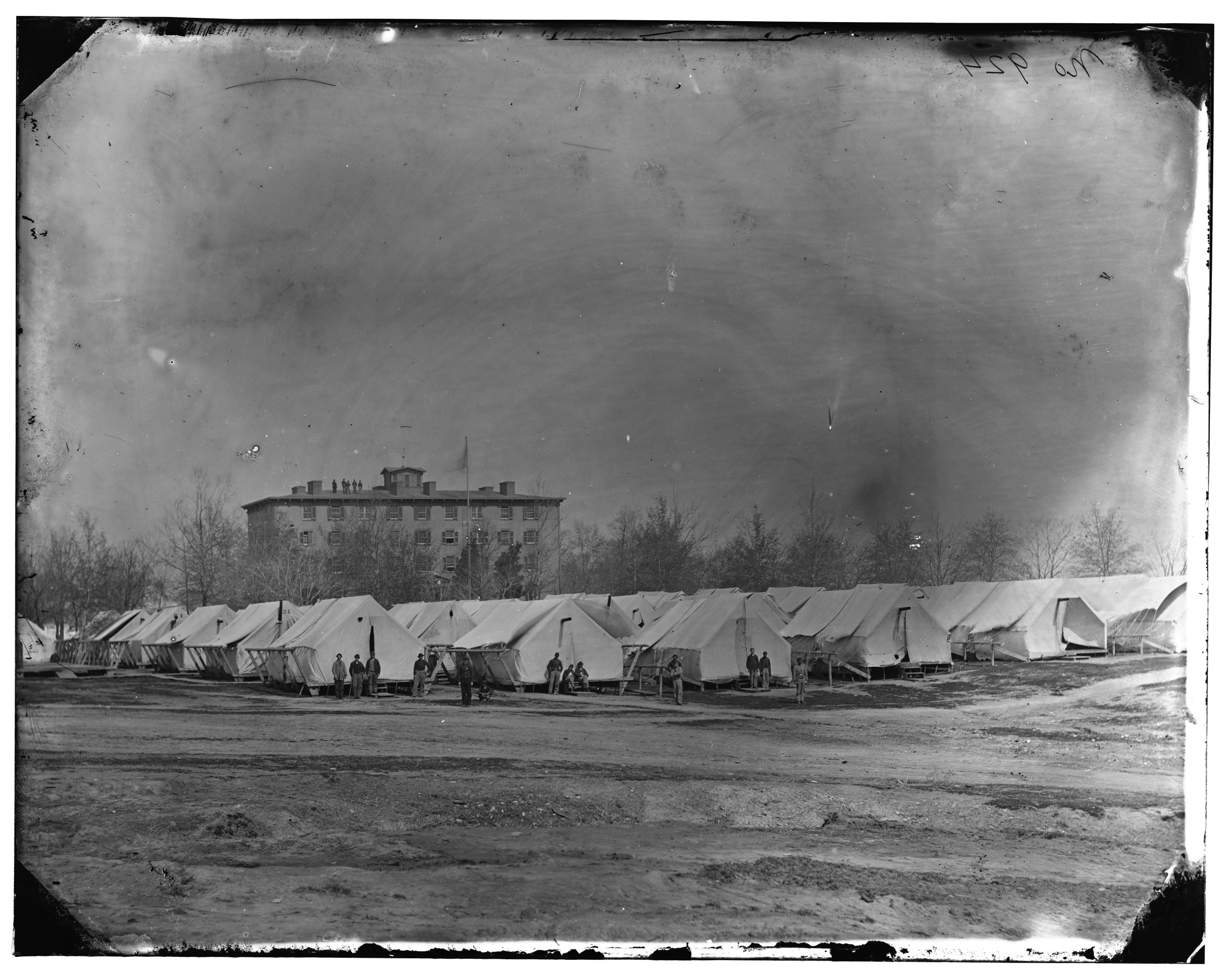
Charles Hobbs was born in 1844 to Moody Hobbs and Elizabeth P. (Spofford) Hobbs of Pelham, New Hampshire. Moody Hobbs served as a state senator in New Hampshire in 1863. Charles Hobbs enlisted on August 18, 1862 and was mustered in as a corporal on September 20, 1862.
Charles Hobbs Enlists and Gets Sent to the Hospital
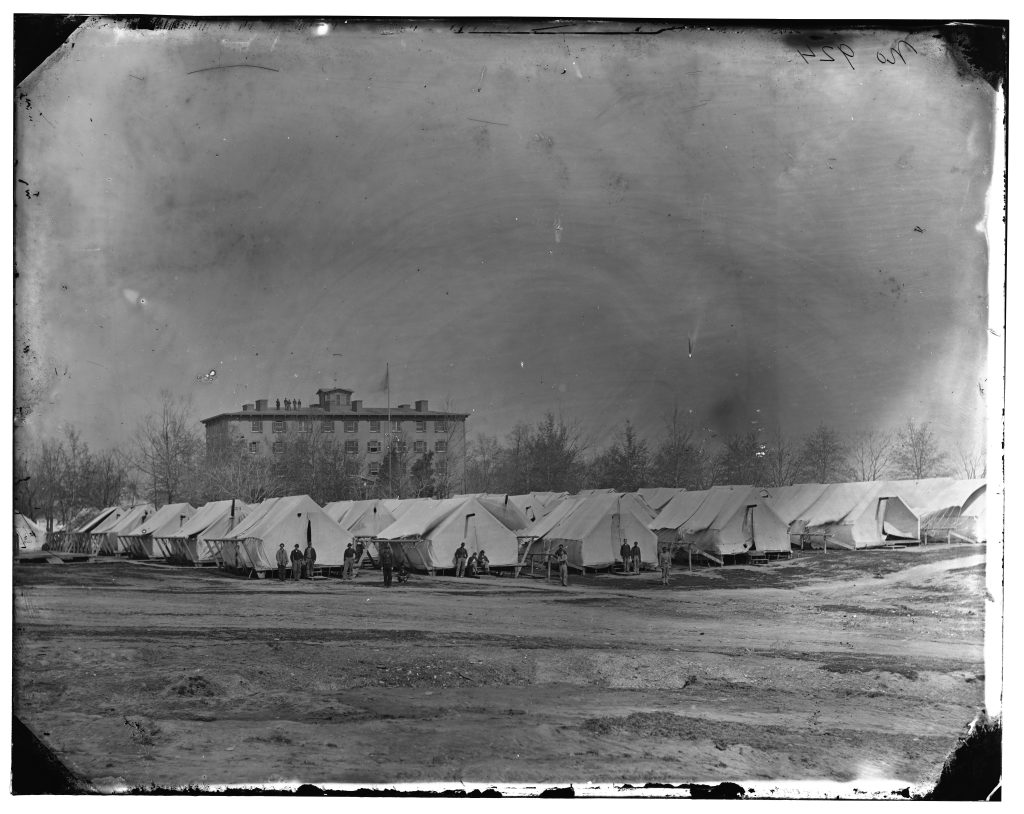
The first letter in our Research Arsenal collection was written by Charles Hobbs on October 12, 1862 from Camp Chase, Virginia. He wrote to a friend named Louisa Richardson and recounted his travel from New Hampshire to Virginia.
“Here we are encamped on the sacred soil of ‘Old Virginia’ and are enjoying ourselves as well as can be expected in such a miserable place. We had a splendid time coming on till we left Philadelphia and from there we didn’t have so splendid a time. Our ride from Norwich to Jersey City on the steamboat was splendid but some of the rides in the freight cars rather annihilated the pleasant feelings about the boat ride. We took the steamboat the first night after leaving Nashua and got to Philadelphia the second night and had a splendid time there and got to Washington the third night and had a splendid time there sleeping on the ground among the hogs — or not exactly among, but they were all round us. Slept as sound there, however, as I ever did at home.”
Charles Hobbs’ second letter was wasn’t written until April 15, 1863, and by that time he was away from his regiment and at Columbian Hospital in Washington, D.C., recovering from long term sickness. He described his eagerness to return to duty and noted that his ward was overseen by a woman nurse named Miss Snow.
“I hear that my name is put down to do duty round the Hospital as he thinks I ain’t able to go to the field. Well, I guess he is right there, but he won’t keep me a great while after I am able. I am tired of staying in a hospital.
We enjoy ourselves here pretty well but there isn’t the excitement that there is with a regiment in the field. I thought before I came here that almost any place was better that the regiment, but I have changed my mind. The nurse on this ward is a nice, lively woman — always having some fun going on and the boys are all such lively fellows and we have some good times.”
Later in the same letter Charles Hobbs lamented the indifference to death that permeated the hospital.
“There has three men died this ward since I came here — one of them from my regiment, and one from it in the next ward. He belonged to my company. There is enough to do here but I don’t like to do it.
There is no more notice taken after men’s dying here than there is a killing a fly at home or not much more at any rate.”
On June 5, 1863, Charles Hobbs wrote again from the hospital where he hoped to rejoin the 13th New Hampshire Infantry soon.
“I wish about 40 times a day that I was with the regiment but I can’t go as I know of. I am in hopes to get a chance to go. I don’t like the name of staying around the hospital when I am well and I am pretty well now. I tried to get the doctor to let me go a few days ago but he said he couldn’t.”
Despite Charles Hobbs hoping to leave the hospital soon, he was still there at the end of July. On July 20, he wrote to Louisa about the way the men in the hospital had celebrated the Fourth of July.
“The 4th passed off here very well. We had speeches, singing &c. in the day and fireworks in the evening. The soldiers not contented with the fireworks they had been through amused themselves by firing rockets and other kinds of fireworks at each other and on the whole we had quite a lively time.”
Conscripts and Substitutes join the 13th New Hampshire Infantry
It wasn’t until September 15, 1863 that Charles Hobbs sent his first letter to Louisa from his regiment. While he was happy to have finally been discharged from the hospital, duty with the regiment proved to be quite arduous.
“I will write a few lines to you to let you know that I am still alive and you will see by this that I have arrived at the haven of my hopes — that is the regiment. Well I am with it and I am glad of it. It seems almost like getting home only not half so good.
I got a letter from you about a year ago, I should think it was. At any rate, it was just before I left the hospital and I have not had a chance to be where I could write to you and stand any kind of a chance to get an answer. I have been through Washington Convalescent and Distribution Camp, from there to Alexandria, then down the Potomac to Point Lookout where we left some of our boatload, thence down the Chesapeake Bay to Fortress Monroe where we went over to Norfolk, by the wreck of the Merrimac and the Rebel Battery at Craney Island that so much was said about at the beginning of the war.
Crossed over to Portsmouth that night and stopped there till the next forenoon when I came up to the regiment which is about 3 miles from Portsmouth and have been pretty hard at work shoveling and shopping since then. We are busy building roads, fortifications, and felling the trees to get a good range for the cannon when the Rebels come.
We have to work like dogs all the time and live worse still.”
On October 8, 1863, Charles Hobbs wrote about the arrival of the first conscripts and substitutes to the regiment. Many of them tried to desert almost immediately.
“Conscripts or substitutes came to the Regiment last Sunday and it took all the old men that were here to keep them in camp that night. Quite a number of them have deserted already and some of them are under arrest an in the guardhouse now. One fellow, they say, has enlisted 6 times and has about $2,000 with him that he has got as different bounties. He says he don’t want to enlist but once more. Well I don’t want to enlist but once more and I think I shan’t enlist for more than 2 more — 3 years in the service.
I should kind of like to enlist in the Home Guards. That is about as good an organization for soldiering as these. It is good fun to be a soldier and board and lodge at home but it ain’t quite as pleasant here. Still I can stand it good if I am only well. But if a fellow feels a little sick, he thinks of home — or at any rate, I do.”
Substitutes in particular put the discipline of the regiment to the test. Charles Hobbs described the harsh punishments used against them in a letter written on October 21, 1863.
“We are having great times with our “Subs.” They get drunk and get to fighting or some such “deviltry” every day and then they take 4 or 5 of them everyday and fasten logs of wood to their legs and they have to drag them till they get tired out. Yesterday they had one fellow with a barrel on for a coat and a log tied to each leg and he had to travel from 9 in the morning till 5 in the afternoon and if he hadn’t been mightily tough it would have killed him. Most of them are so tough that they can’t be killed. We had before they came a steady, quiet regiment, but now we have got anything but that. There was some of the worst men I ever saw amongst them and a very few good men.”
Fighting at Drewry’s Bluff
On April 18, 1864, Charles Hobbs wrote about a raid the 13th New Hampshire Infantry participated in.
“In my last I said I was going to write to you as soon as I got the regiment and now I begin this. I got here a week ago tonight and the next night we started out on a raid and were gone till Friday. We marched like fury all the time we were gone and by the time we got back, we were a sore set of boys.
Had quite a time coming on here. Got among a pack of thieves and cutthroats and lost some of my things and was some afraid of losing my life for awhile.”
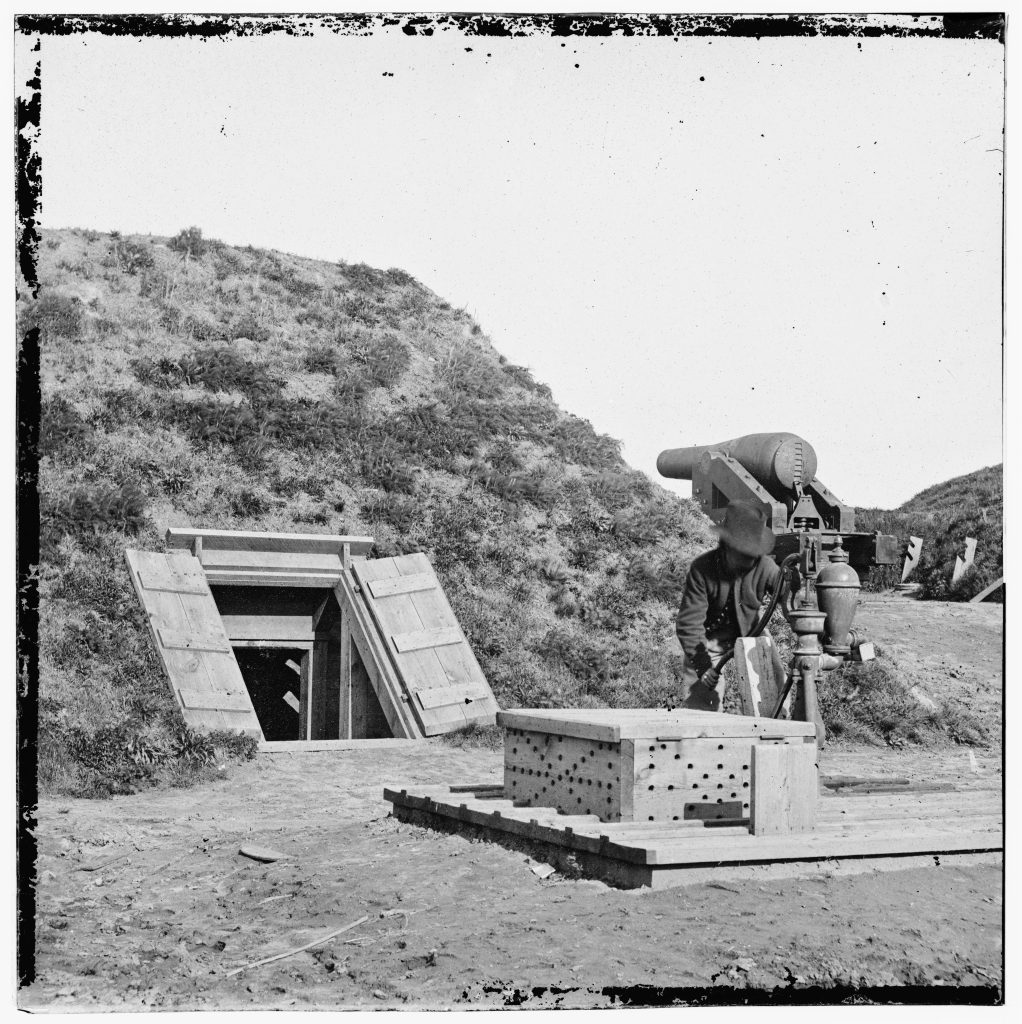
On May 18, 1864, Charles Hobbs wrote a long description of the recent battle near Drewry’s Bluff as part of General Benjamin Butler’s campaign.
“It was a week ago today (that was last Monday) that we had a pretty hard fight with the Rebs and our brigade gave them a good thrashing but they drove our men on the right of us and we had to fall back. They charged on us 3 or 4 times 4 columns deep but we gave them such a fire that they had to fall back. Our company took 13 prisoners that day.
The Saturday before we were out skirmishing (our company) and had quite a lively time with the Reb sharpshooters. They pelted us hard as we crossed an open field but we were none of us hit. Then we came to some woods and then according to skirmish rules, each man took a tree or stump and watched for them. It is rather exciting business to stand behind a tree, look out to see a reb, and have a bullet plunk into the tree in front. But then it would be our turn to him a crack while he was loading. We were in plain sight of the rebel fort near Drury’s Bluff and when we were skirmishing, were within rifle shot of it.
We have had quite a turn at fighting for the last 2 weeks and I must say I want to see no more of it. We have been under fire 8 days and only lost some 60 men in the regiment. You may want to know who we are under so I will tell. We are in Burnham’s Brigade, Brooks’ Division, Smith’s Corps (the 18th) under Butler.
Enough of war. I wish there was no such thing known. All I want is to get home in safety. Then if I go to war again, I shall do so with the expectation of getting shot. Charlie Philbrick (Lucy’s brother) of the 3d had an arm shot off in one of our fights. We have lost none of our company.”
In the fall of 1864 Charles Hobbs took sick with malaria and once again found himself hospitalized. He remained in various hospitals until his discharge on July 5, 1865. In 1870 he married Sarah Abbie Jane Sleeper. He died on April 21, 1924.
We’d like to give a special thanks to William Griffing of Spared & Shared for his work in transcribing and sharing these letters.
To read more of Charles Hobbs’ letters sign up for a Research Arsenal membership.
If you enjoyed this article, check out some of our other featured collections like Gustavus Gould of the 17th Vermont Infantry and Theodore Vaill of the 2nd Connecticut Heavy Artillery.